Mastering Structural Steel Construction: Essential Practices and Innovations
Understanding Structural Steel Construction
What is Structural Steel Construction?
Structural steel construction is a specialized form of building design and implementation that utilizes steel as a primary material for its structural framework. Steel’s unique properties, including its strength-to-weight ratio, durability, and versatility, make it an indispensable resource in modern architecture and engineering. This method of construction is often employed in the creation of buildings, bridges, and other major infrastructures, providing not just strength and support, but also design flexibility. With steel being one of the most recycled materials on Earth, its application reflects a synergy between modern convenience and sustainable practices, emphasizing the importance of structural steel construction in contemporary building projects.
Key Materials and Techniques
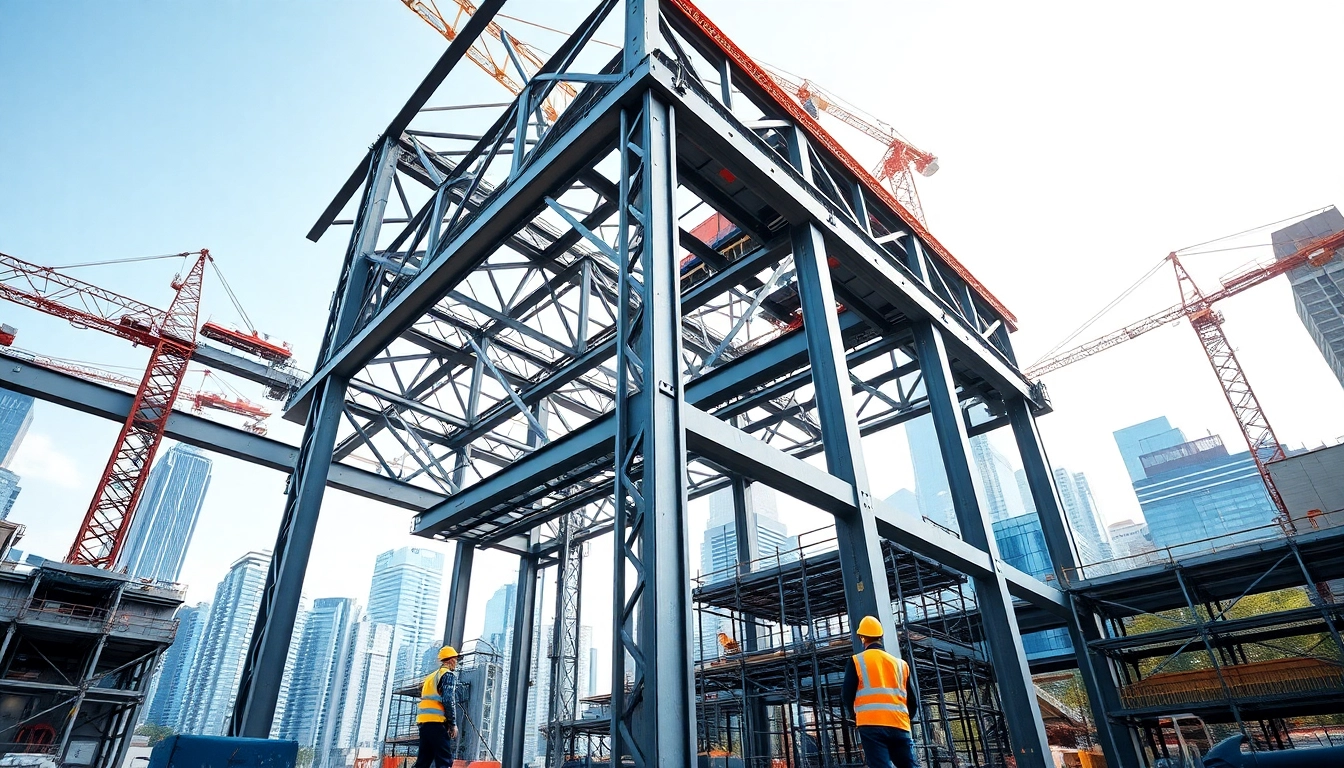
The essentials of structural steel construction hinge on the properties and characteristics of the materials employed. High-strength steel alloys, often used in beams, columns, and other components, allow for tall, wide spans that traditional materials cannot match. Techniques involved in structural steel construction include welding, bolting, riveting, and the use of advanced fabrication processes that shape steel into various forms tailored to specific design requirements.
Fabrication typically occurs off-site in controlled environments to maximize precision and quality. Upon completion, these prefabricated parts are transported to the construction site, where assembly takes place. Such methods not only enhance quality control but also reduce onsite labor costs and project timelines.
Benefits of Using Structural Steel
The transition to structural steel in construction comes with numerous advantages:
- Strength and Durability: Steel’s inherent strength allows for the construction of tall and complex structures that can withstand heavy loads and harsh weather conditions.
- Speed of Construction: The prefabrication process enables fast assembly on-site, significantly reducing overall construction time.
- Design Flexibility: Steel can be shaped into a myriad of forms, allowing architects the freedom to innovate without structural constraints.
- Cost-Effectiveness: While the upfront cost of steel may be higher than traditional materials, the long-term savings in maintenance, durability, and time efficiency often result in a lower overall project cost.
- Sustainability: Steel is fully recyclable, which reduces the impact on the environment compared to many other building materials.
Designing Efficient Structural Steel Frameworks
Principles of Structural Design
An effective structural design must balance aesthetics with functionality, ensuring safety, stability, and load-bearing capabilities. Key principles include understanding load types—such as dead loads (permanently attached elements), live loads (temporary loads such as people and furniture), and environmental loads (wind and seismic forces). A well-thought-out design takes into account how these loads interact with the structural integrity over time.
Moreover, efficient design practices encompass the use of computer-aided design (CAD) software and advanced simulation tools that allow engineers to visualize structural systems, conduct stress analyses, and model potential failure points before actual construction begins.
Standard Practices in Steel Design
Standard practices for steel design include adherence to code requirements and the use of established design methodologies, such as the Limit State Design (LSD) and Allowable Stress Design (ASD) approaches. These practices underscore the importance of safe, efficient designs that ensure the longevity and reliability of structures. Additionally, engineers often employ modular design principles, allowing for scalable and adaptable infrastructures that meet evolving societal needs.
Common Design Challenges and Solutions
Structural designers frequently face challenges such as material fatigue, buckling, and joint failures. Solutions often involve selecting appropriate materials, such as using high-fatigue strength steel in highly dynamic environments. Furthermore, integrating redundancy within designs, ensuring multiple pathways for load transfer, and employing robust connection techniques can mitigate the risks associated with these challenges.
Implementation Strategies for Structural Steel Projects
Project Planning and Management
Efficient project planning begins with defining project scope, budget constraints, and timelines. Subsequent steps involve detailed site analysis, resource allocation, and the formation of interdisciplinary teams that include architects, engineers, and construction managers. Utilization of project management tools such as Gantt charts and Kanban boards ensures that all phases of the construction process remain synchronized and on schedule.
Safety Protocols for Steel Construction
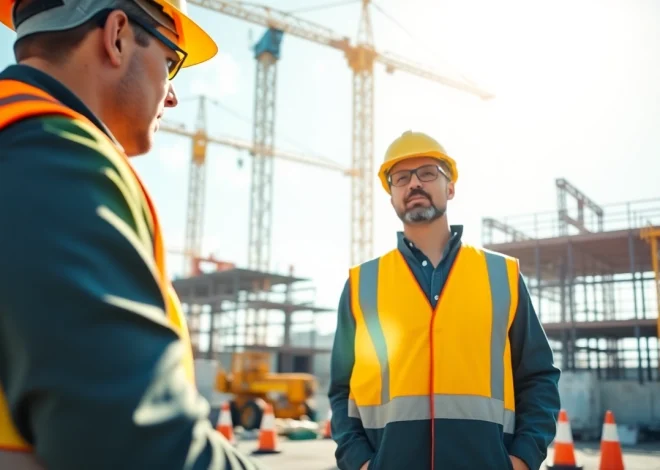
Safety is paramount in structural steel construction due to the inherent risks associated with heavy machinery and large materials. Implementing comprehensive safety protocols includes conducting regular training sessions, enforcing the use of personal protective equipment (PPE), and adhering to OSHA regulations. Regular site inspections and hazard assessments form integral parts of a robust safety management plan to protect workers and prevent accidents.
Coordinating with Other Trades
Coordination between different trades—such as electrical, plumbing, and HVAC—is essential for seamless construction. Effective communication strategies, regular meetings, and the use of Building Information Modeling (BIM) can facilitate collaboration and preemptively identify conflicts in design and execution. Ensuring that all teams are aligned helps streamline workflows and adhere to project timelines.
Innovations and Advances in Steel Construction
Emerging Technologies in Structural Steel
Innovation in structural steel construction is continuously evolving, driven by advancements in technology. Developments such as advanced steel alloys, robotic welding systems for increased precision, and drone technology for site surveys are revolutionizing the industry. Furthermore, the integration of artificial intelligence and machine learning for predictive analytics enhances decision-making in design and engineering processes, paving the way for smarter construction methods.
Sustainable Practices in Steel Construction
As sustainability becomes a priority across industries, structural steel construction has made substantial advancements in eco-friendly practices. These practices include utilizing recycled steel, optimizing designs to minimize waste, and implementing energy-efficient practices in fabrication and onsite processes. Additionally, the certification of materials to ensure low environmental impact is gaining traction, encouraging the use of sustainably-sourced steel in construction projects.
Future Trends in Structural Engineering
The future of structural steel construction is likely to be characterized by enhanced automation, improved sustainability measures, and the adoption of modular construction techniques. Smart buildings equipped with IoT technology will allow for ongoing performance monitoring and data collection, further driving efficiencies in design and building management processes.
Evaluating Performance and Quality in Structural Steel
Standards and Certifications
The quality of structural steel construction is stringently controlled through various standards and certifications. Organizations such as the American Institute of Steel Construction (AISC) and the American National Standards Institute (ANSI) establish guidelines that ensure safety, reliability, and performance. Compliance with these standards is essential for maintaining the industry’s integrity and ensuring stakeholder confidence in constructed structures.
Performance Assessment Techniques
Performance assessment involves rigorous testing methods to evaluate structural integrity. Common techniques include non-destructive testing (NDT) methods such as ultrasonic testing, radiography, and magnetic particle inspection, which help identify defects without compromising the material’s integrity. Regular monitoring of structural performance, particularly in aging infrastructures, allows for timely maintenance and repairs, ensuring long-term sustainability.
Case Studies and Examples
Examining successful case studies can provide valuable insights into effective structural steel construction practices. For instance, the Burj Khalifa in Dubai showcases innovative use of high-strength steel combined with cutting-edge design techniques, resulting in a landmark structure that stands as a testament to modern engineering capabilities. Similarly, the Sydney Harbour Bridge illustrates successful engineering that has withstood the test of time, highlighting key lessons in design, material selection, and construction methodologies.