Understanding Structural Steel Construction: Key Principles and Best Practices
Introduction to Structural Steel Construction
Structural steel construction is a dynamic and integral segment of the modern building industry, providing a foundation for countless architectural marvels across the globe. This method involves utilizing steel for the primary load-bearing framework of a building, significantly enhancing the safety, durability, and aesthetic appeal of structures. Whether it’s towering skyscrapers or intricate bridges, understanding the nuances of structural steel construction is crucial for architects, engineers, builders, and industry professionals alike.
Definition and Importance of Structural Steel Construction
At its core, structural steel is a carbon-based metal offered in various grades, characterized by its high strength-to-weight ratio, impressive durability, and versatility in design. These attributes make it the material of choice for constructing large structures that require both strength and flexibility. Structural steel construction is crucial as it provides a robust solution to engineering challenges while also supporting advancements in architectural design. Its significance is further evidenced by the extensive use of these materials in projects that demand reliability, safety, and long-term performance.
Historical Development and Evolution of Structural Steel
The journey of structural steel dates back to the Industrial Revolution in the 19th century when it emerged as a replacement for wrought iron. The introduction of steel manufacturing processes, such as the Bessemer and open-hearth methods, allowed for the production of stronger and more malleable steel. Architecturally, the use of structural steel became notable with the construction of the Eiffel Tower in 1889, which showcased the aesthetic and structural limits of steel. Over the decades, innovations in materials and design techniques have led to the evolution of structural steel into an indispensable component of modern architecture, further bolstered by advancements in engineering and construction technology.
Types of Structural Steel Used in Construction
There are several types of structural steel utilized in construction, each serving distinct purposes:
- I-beams: These beams have a cross-section resembling the letter “I,” known for their high strength and load-bearing capabilities.
- H-beams: Similar to I-beams but with wider flanges, H-beams are used for heavier loads and larger spans.
- Angle steel: Used for bracing and support in various structures, angle steel is easily adaptable in design applications.
- T-beams: These are often used in precast concrete construction combining aspects of strength and versatility.
- Channel steel: Characterized by its U-shaped cross-section, channel steel is used in construction for stability and structural integrity.
Advantages of Structural Steel Construction
Cost-Effectiveness and Efficiency
One of the most compelling advantages of structural steel construction is its cost-effectiveness. The material itself, while initially appearing more expensive than alternatives, often leads to significant savings in other areas. The light weight of steel allows for shorter construction timelines, reduced foundation costs, and minimized labor expenses. Furthermore, the speed of construction associated with prefabricated steel components translates into quicker ROI for project stakeholders.
Strength, Durability, and Safety Aspects
Structural steel is celebrated for its remarkable strength and durability, which are crucial attributes for any construction project. The inherent resistance of steel to warping, shrinking, and splitting means structures can maintain their integrity over time. Additionally, structural steel construction can drastically improve safety standards. Many steel structures are designed to withstand harsh weather, seismic activity, and potential hazards more effectively than other materials.
Environmental Benefits of Using Structural Steel
In today’s eco-conscious world, the environmental benefits of using structural steel cannot be overlooked. Steel is highly recyclable, and a significant percentage of new steel is manufactured from recycled materials. This minimizes the impact on natural resources and energy usage, aligning with sustainable building practices. Furthermore, the efficiency of steel structures often results in lower energy consumption for heating and cooling, contributing to reduced overall carbon footprints.
Design Considerations for Structural Steel Construction
Load-Bearing Capacities and Design Standards
Understanding load-bearing capacities is critical when designing a structure with steel. Engineers must adhere to numerous design standards and codes to ensure compliance and safety. The American Institute of Steel Construction (AISC) provides guidelines for standardizing design methodologies, which help architects and engineers calculate the maximum loads their structures can handle. Types of loads include dead loads (permanent) and live loads (temporary), all of which must be meticulously calculated during the design process.
Collaboration with Architects and Engineers
The collaborative effort between architects and structural engineers is vital in successful structural steel construction. Architects envision the aesthetic and functional aspects of a design, while engineers ensure that these designs can be practically achieved in terms of structural integrity and feasibility. Early integration of both perspectives leads to innovative and chic structures that meet both aesthetic and safety requirements.
Innovative Design Trends in Structural Steel Projects
Building designs utilizing structural steel have witnessed numerous innovations over the years. From tall, slender towers to expansive spaces within stadiums and arenas, structural steel allows for unprecedented architectural creativity. Notable trends include the use of exposed steel elements, advanced cladding techniques, and the incorporation of smart technologies that enhance the structural integrity and aesthetic appeal of buildings. These trends reflect a growing emphasis on melding beauty with functionality, adhering to contemporary environmental and social standards.
Construction Processes and Techniques
Fabrication Methods for Structural Steel Components
The fabrication process of structural steel components is pivotal for ensuring accuracy and efficiency in construction. Modern fabrication facilities utilize advanced technology such as CNC (Computer Numerical Control) machinery and automation to achieve precise cuts and shapes. The typical process involves cutting, forming, and welding processes to create segments that fit together seamlessly on-site. Quality assurance measures during fabrication include rigorous inspections and testing to ensure compliance with specified standards.
Installation and Erection of Steel Structures
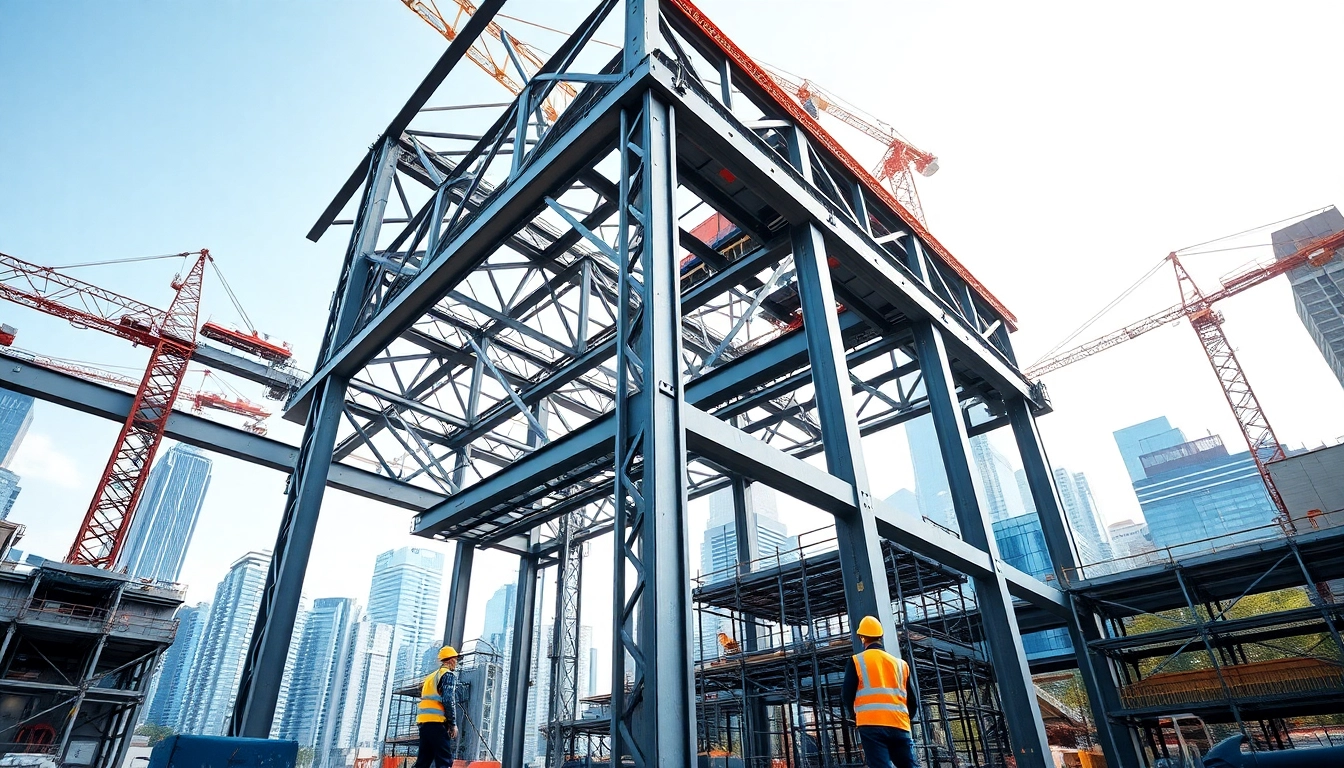
Once fabricated, structural steel components are transported to the construction site for installation. The erection process usually involves cranes and specialized equipment to lift and position the steel components accurately. Rigorous safety protocols and methodical planning are essential during installation to minimize risks. Each component must be welded or bolted according to established engineering specifications to ensure structural integrity and durability.
Quality Control in Structural Steel Construction
Quality control is paramount in structural steel construction, as any failure can lead to catastrophic results. Comprehensive quality assurance programs must be implemented at all stages, from fabrication through to on-site assembly. Regular inspections and testing for weld quality, material degradation, and adherence to design specifications ensure that every aspect of the project meets the highest standards of safety and performance. Utilizing third-party inspections can also enhance credibility and accountability throughout the construction process.
Future Trends in Structural Steel Construction
Emerging Technologies and Automation
The future of structural steel construction is increasingly tied to emerging technologies and automation. Building Information Modeling (BIM) allows for advanced visualization and simulation of projects, enhancing planning and execution practices. Automation in various stages of steel fabrication and construction helps improve precision, reduce labor costs, and accelerate project timelines. As technology continues to evolve, the industry can expect even greater efficiencies and enhanced safety protocols.
Sustainability Trends and Practices
Sustainability is becoming a foundational principle in construction practices. Future trends indicate a growing focus on green building certifications like LEED (Leadership in Energy and Environmental Design), which promote the use of sustainable materials and construction methods. Structural steel construction aligns well with these practices, as the material’s recyclability and efficiency contribute to more sustainable outcomes. Furthermore, integrating renewable energy solutions within structural designs is becoming increasingly popular, further minimizing the environmental impact of construction.
Global Market Trends and Economic Impact
The demand for structural steel construction continues to grow globally, driven by urbanization, infrastructure development, and technological advancements. Market trends point toward increased investments in construction projects, especially in developing regions where urbanization is accelerating. The economic impact of structural steel construction is significant, as it creates jobs, supports local economies, and contributes to national growth through improved infrastructure and buildings. This momentum drives innovations in materials, techniques, and processes that shape the future of the industry.