Mastering Custom Steel Fabrication: Techniques, Tips, and Industry Insights
Understanding Custom Steel Fabrication
What is Custom Steel Fabrication?
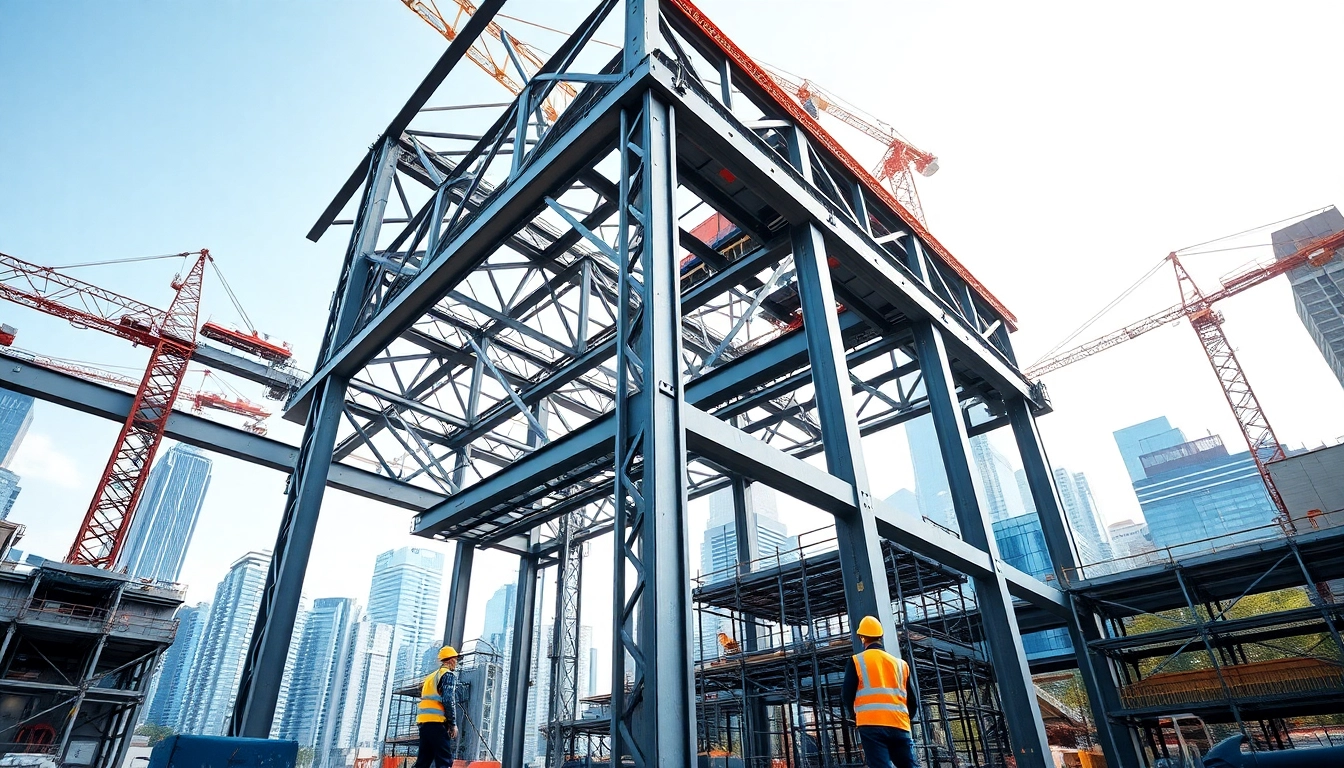
Custom steel fabrication is the process of cutting, shaping, and assembling steel components that are tailored to meet the specific requirements of a project or application. This technique contrasts with standard fabrication, which typically involves predefined components that may not fit unique needs. In custom fabrication, the steel is manipulated through various processes to create parts that are one-of-a-kind and precisely engineered for functionality. Industries such as construction, manufacturing, and automotive heavily rely on custom steel fabrication to produce structural elements, machinery parts, and equipment that enhance operational efficiency and safety.
Common Applications of Custom Steel Fabrication
The versatility of custom steel fabrication enables its application across a wide array of industries:
- Construction: Structural beams, columns, and reinforcements are fabricated to provide support in buildings and bridges.
- Manufacturing: Custom parts for machinery and equipment ensure that production lines run smoothly.
- Aerospace: High-strength components are designed for aircraft and spacecraft to meet stringent safety and performance standards.
- Automotive: Parts integration for vehicles improves performance, safety, and aesthetics.
- Energy: Fabricated components for wind turbines, power plants, and pipelines enhance efficiency in energy production and distribution.
Benefits of Choosing Custom Steel Solutions
Opting for custom steel solutions provides numerous advantages:
- Precision Engineering: Custom fabrication allows for tailored dimensions and specifications, ensuring perfect fits in unique projects.
- Material Optimization: Clients can select materials based on strength, weight, and corrosion resistance, optimizing for operational conditions.
- Enhanced Performance: Custom-designed components can enhance functionality and efficiency in operations, contributing to the overall performance of systems or structures.
- Cost-effectiveness: While initial costs may be higher than standard components, customized solutions can lead to significant savings over the life cycle of a project by reducing waste and improving efficiency.
Key Techniques in Custom Steel Fabrication
Welding Methods Used in Custom Steel Fabrication
Welding is a crucial process in custom steel fabrication, allowing for the assembly of metal parts with structural integrity. Several welding methods are used, including:
- Mig Welding: Also known as Gas Metal Arc Welding (GMAW), this method uses a continuous wire feed and is ideal for projects requiring speed and versatility.
- Tig Welding: Gas Tungsten Arc Welding (GTAW) offers high precision and quality, making it suitable for thin materials and high-performance applications.
- Stick Welding: Shielded Metal Arc Welding (SMAW) is versatile and portable, commonly used in construction and maintenance.
Cutting Techniques for Precision Fabrication
Precision in cutting is vital to ensure parts fit together seamlessly. Key cutting techniques include:
- Laser Cutting: Employing focused laser beams to cut materials with high precision, reducing the need for additional finishing processes.
- Waterjet Cutting: Using high-pressure water mixed with abrasives allows for the cutting of various materials without creating significant heat, thus avoiding warping.
- Plasma Cutting: A technique that utilizes high-velocity plasma to melt and blow away material, ideal for cutting through thick steel.
Finishing Processes to Enhance Durability
After initial fabrication, finishing processes play a key role in enhancing the durability and appearance of steel components. Techniques include:
- Coating: Applying protective coatings, such as galvanization or powder coating, prevents rust and corrosion.
- Polishing and Grinding: Mechanical finishing techniques help achieve desired surface finishes, improving aesthetics and reducing friction.
- Annealing: Heating steel to a specific temperature and then cooling it improves ductility and reduces hardness, making it easier to work with.
Choosing the Right Fabrication Partner
Qualities to Look for in a Custom Steel Fabricator
Selecting a reliable custom steel fabricator can significantly impact project outcomes. Key qualities to review include:
- Experience and Expertise: Find partners with a proven track record and industry-specific knowledge.
- Certifications: Ensure they have relevant certifications indicating quality management and adherence to safety standards.
- Customer Service: A responsive fabricator fosters clear communications and address customer concerns effectively.
Evaluating Fabricators’ Portfolios and Capabilities
Before choosing a fabricator, thoroughly evaluate their past projects and capabilities. Consider the following:
- Portfolio Review: Examine their previous work to ensure it aligns with your project requirements.
- Technology and Equipment: Investigate their equipment and technologies to confirm they are up-to-date with modern fabrication techniques.
- Client References: Request references or testimonials from previous clients to gauge satisfaction and reliability effectively.
Bidding Process for Custom Steel Projects
The bidding process is critical for establishing the terms and costs associated with custom steel projects. Follow these steps:
- Define Project Specifications: Clearly outline your project requirements and expectations to guide potential fabricators.
- Request Quotes: Invite multiple fabricators to bid on your project, providing them with the necessary specifications to create accurate estimates.
- Compare Proposals: Analyze quotes based on factors like cost, timeline, and quality of materials.
- Negotiate Terms: Engage in discussions with preferred fabricators to finalize terms and ensure alignment with your goals.
Cost Factors in Custom Steel Fabrication
Understanding Material Costs and Availability
The cost of materials, specifically steel, can fluctuate based on market demand, availability, and quality. When estimating costs:
- Material Quality: Higher-grade steel may come with increased costs but provide better performance attributes.
- Supplier Relationships: Building strong relationships with suppliers can lead to better pricing and timely access to materials.
- Market Trends: Keeping abreast of market conditions can help predict fluctuations in steel pricing, allowing for more accurate budgeting.
Labor and Equipment Considerations
Labor and equipment costs significantly affect the overall pricing structure of custom steel fabrication:
- Labor Skills: Skilled labor may demand higher wages, but their expertise can lead to better quality and efficiency.
- Equipment Costs: The types of machines and tools used will influence production capabilities and costs; investing in modern machinery may result in higher initial costs but yield better long-term efficiencies.
- Operational Costs: Electricity, maintenance, and other overheads can add to the overall project costs and should be accounted for in budgeting.
Managing Project Budgets Effectively
Effective budget management is crucial for successful project execution. Here are strategies to consider:
- Detailed Planning: Create a comprehensive project plan that includes timelines, milestones, and resource allocation.
- Regular Tracking: Continuously monitor expenditures throughout the project and adjust as necessary to stay within budget.
- Contingency Fund: Set aside a contingency fund for unexpected issues or price increases that may arise during the fabrication process.
The Future of Custom Steel Fabrication
Emerging Technologies in Steel Fabrication
The custom steel fabrication industry is rapidly evolving, driven by advancements in technology. Key trends include:
- Additive Manufacturing: 3D printing technology is beginning to play a role in the fabrication of complex steel components quickly and with reduced waste.
- Automation: Incorporating robotics and automated systems can enhance efficiency, decrease labor costs, and improve safety.
- Digital Fabrication: Technologies such as CAD and CAM software streamline the design and production process while improving accuracy.
Sustainability Practices in the Steel Industry
Sustainable practices are increasingly essential in steel fabrication, spurred by environmental concerns and regulatory pressures:
- Recycling: Utilizing recycled steel decreases the demand for raw materials and reduces waste, promoting a circular economy.
- Eco-friendly Processes: Implementing eco-friendly fabrication processes can minimize environmental impact, from energy-efficient machinery to non-toxic finishes.
- Life Cycle Assessments: Conducting lifecycle assessments can help gauge the environmental impact of steel products and promote more sustainable designs.
Trends Shaping the Future of Custom Fabrication
Several trends are shaping the future landscape of custom steel fabrication:
- Increased Demand for Customization: As industries seek greater efficiencies and tailored solutions, the need for custom fabrication is set to rise.
- Technological Integration: Enhanced data analytics, IoT, and smart systems in fabrication processes will continue to improve operational efficiencies.
- Globalization: A more interconnected global market may influence sourcing, manufacturing strategies, and competitive pricing in the fabrication sector.