
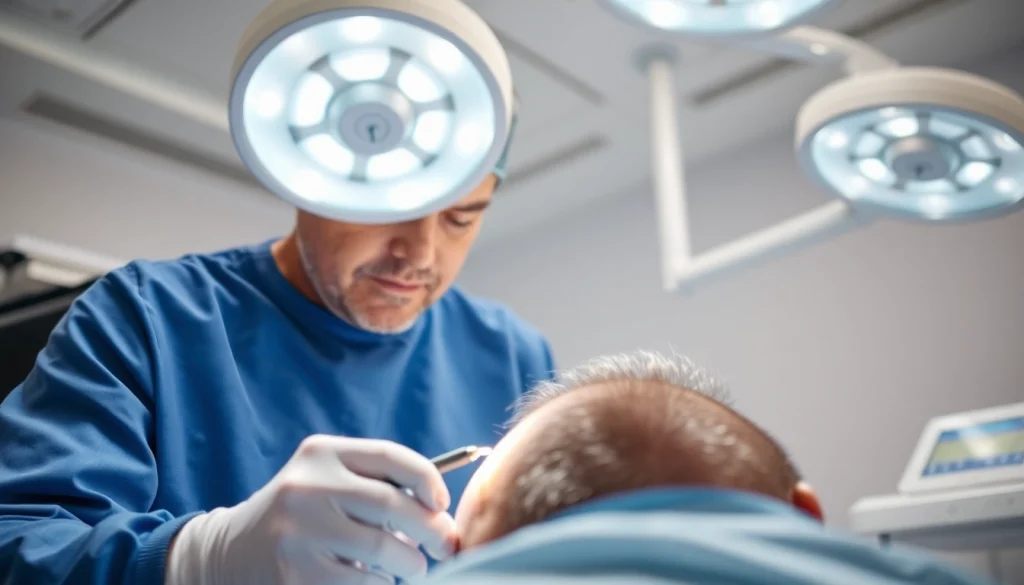

Understanding Hair Transplant
Hair loss affects millions of people globally, leading many to seek effective solutions for restoring their hair. Among the various procedures available, the hair transplant has gained significant popularity due to its long-lasting and natural-looking results. This comprehensive guide delves into what hair transplants are, how they work, who is a good candidate, and much more.
What is Hair Transplant?
A hair transplant is a surgical procedure that involves moving hair follicles from a donor site (usually the back of the scalp) to bald or thinning areas. This technique helps to restore hair growth in areas affected by alopecia or other types of hair loss. The results can be permanent, making it a preferred option for many individuals dealing with hair thinning.
How Hair Transplant Works
The fundamental process of a hair transplant involves two main techniques: Follicular Unit Transplantation (FUT) and Follicular Unit Extraction (FUE). During the procedure, a qualified surgeon first anesthetizes the scalp before extracting hair follicles from the donor area. These follicles are then carefully transplanted into the recipient site, ensuring that the natural growth patterns are maintained. After a recovery period, these transplanted hairs will begin to grow, blending seamlessly with existing hair.
Who is a Good Candidate for Hair Transplant?
Ideal candidates for a hair transplant generally include individuals with sufficient healthy hair in the donor area. People experiencing male or female pattern baldness, those with thinning hair due to medical conditions, or individuals who have lost hair due to injuries are often suitable candidates. However, age, overall health, and the underlying cause of hair loss are essential factors to consider.
Types of Hair Transplant Techniques
Follicular Unit Transplant (FUT)
Follicular Unit Transplant (FUT) is one of the oldest methods and involves removing a strip of scalp from the donor area, from which individual follicular units are extracted for transplantation. This method is efficient for covering larger bald areas and often leads to better yield due to the ability to use a considerable number of follicles.
Follicular Unit Extraction (FUE)
Follicular Unit Extraction (FUE) is a more advanced technique that extracts individual follicles directly from the scalp, minimizing scarring compared to FUT. This method is less invasive and involves fewer restrictions during recovery, allowing for a quicker return to normal activities. FUE is particularly appealing to those who prefer shorter hairstyles, as it leaves minimal visible scars.
Robotic Hair Transplant Methods
Emerging technologies in hair restoration have led to the development of robotic hair transplant systems. These advanced systems enhance the accuracy of follicle extraction and transplantation, reducing human error and leading to more natural outcomes. Robotics in hair transplant can streamline the process and improve overall patient satisfaction with the results.
Preparation for Hair Transplant
Initial Consultation and Assessments
The first step in preparing for a hair transplant is a thorough consultation with a qualified hair restoration specialist. This meeting typically involves a review of the patient’s medical history, a discussion of surgical options, and an assessment of the scalp to determine the cause of hair loss. During the consultation, patients are encouraged to voice their expectations and concerns.
Pre-Operative Instructions
Prior to the surgery, patients will receive specific pre-operative instructions. These may include avoiding blood thinners, certain medications, alcohol, and smoking in the weeks leading up to the procedure. Proper preparation is crucial in minimizing risks and ensuring a smoother surgical experience.
Setting Realistic Expectations
It’s essential for candidates to have realistic expectations regarding the outcomes of their hair transplant. While many patients experience significant improvements in hair density and coverage, results can vary based on individual factors, including the surgeon’s skill, the technique used, and the patient’s overall health. Engaging in open conversations with the surgeon can help patients understand what to expect.
Recovery and Aftercare Post-Hair Transplant
What to Expect After Surgery
Post-operative recovery varies among individuals, but common experiences include mild swelling, redness at the graft sites, and some level of discomfort. Patients are typically given pain medications to ease any discomfort during the healing process. Most individuals can return to light activities within a few days, while full recovery may take several weeks.
Do’s and Don’ts During Recovery
Following a hair transplant, certain practices can aid recovery. Do keep the scalp clean and avoid direct sunlight. Don’t pick at scabs or scratch the implanted area to prevent dislodging of hair follicles. Following the surgeon’s recommendations is crucial in ensuring a successful recovery.
Long-Term Aftercare for Hair Transplant
Long-term care for transplanted hair includes maintaining scalp health with gentle washes and possibly using specialized hair care products. It’s also vital to adhere to follow-up appointments for assessments. Continuously monitoring hair growth can help identify any potential issues early.
Frequently Asked Questions about Hair Transplant
How painful is a hair transplant?
The procedure is generally not painful due to anesthesia, though some patients report mild discomfort. Post-surgery pain is usually manageable with over-the-counter medications.
What is the success rate of hair transplant?
Hair transplant surgery boasts a high success rate, with many clinics reporting over 90% of procedures delivering significant aesthetic improvements and patient satisfaction.
Are there any side effects of hair transplant?
Common side effects include swelling, redness, and mild discomfort. Serious complications are rare, but infections or scarring can occur in some cases, emphasizing the importance of choosing a skilled surgeon.
How long does a hair transplant last?
Hair transplants are designed to be permanent, as the transplanted hair follicles come from areas resistant to balding. Individual results may vary, with maintenance treatments sometimes recommended.
Can women undergo hair transplant?
Absolutely, women can undergo hair transplant procedures. In fact, many women suffering from pattern baldness or other hair loss conditions achieve excellent results through hair restoration techniques.
