
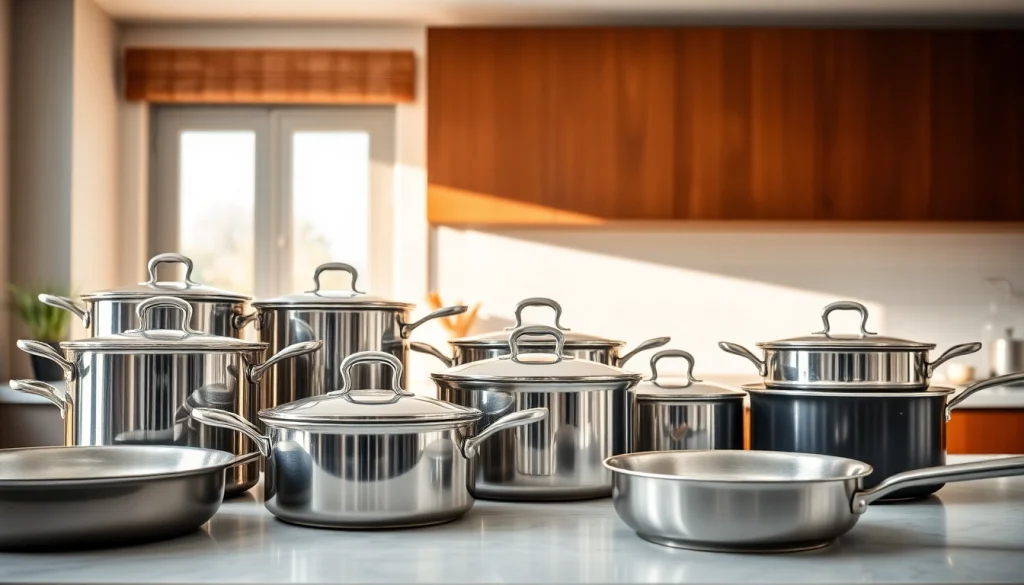

The Importance of Quality Cookware
Choosing the right cookware is one of the most important decisions a home cook can make. Quality cookware not only enhances the cooking experience but also ensures better results in terms of flavor, texture, and overall health. Investing in high-quality cookware can significantly elevate your culinary craft. In this comprehensive guide, we will explore various aspects of cookware, from the importance of quality materials to maintenance practices that can extend their lifespan.
Why Quality Matters in Cookware
Quality cookware is essential for effective cooking. It distributes heat evenly, responds well to temperature changes, and is more durable than lower-quality alternatives. Poor cookware may lead to uneven cooking, burn hazards, and even toxic chemical release in some cases. By understanding and prioritizing the materials and construction of cookware, you ensure not only a better culinary experience but also a safer one.
Understanding Different Cookware Materials
Cookware is made from a variety of materials, each having distinct properties. Here’s a breakdown:
- Stainless Steel: Durable and resistant to rust, making it versatile for various cooking tasks.
- Non-stick: Ideal for low-fat cooking, this type allows for easy food release, but requires careful maintenance.
- Cast Iron: Excellent for heat retention and is perfect for searing and slow cooking, though it may require seasoning.
- Copper: Known for superior thermal conductivity, allowing precise temperature control, but can be expensive.
- Ceramic: Offers non-stick properties without chemicals, great for health-conscious cooks.
How Cookware Affects Cooking Performance
The right cookware can significantly impact your cooking performance. For instance, heavy-bottomed pots can hold heat better compared to lighter pans, allowing for consistent results. Non-stick pans allow frying eggs or pancakes without sticking, while cast iron skillets provide excellent heat retention for searing meats. Understanding these effects guides you in choosing cookware that suits your cooking style and needs.
Types of Cookware Explained
Overview of Cookware Materials
Delving deeper into cookware materials, stainless steel is often the go-to choice for professional kitchens due to its durability. Non-stick surfaces rely on a layer of Teflon or similar coatings, making them user-friendly but susceptible to scratching. Cast iron, while heavier, is favored for its ability to withstand high heat and is often used for baking cornbread or casseroles. Each material serves unique purposes in the kitchen, and selecting the right type can enhance your cooking efficiency and effectiveness.
Best Cookware for Various Cooking Methods
Not all cookware performs well across various cooking methods. Here’s how to match cookware with techniques:
- Frying: Non-stick or cast iron pans are ideal.
- Baking: Use glass or ceramic bakeware, as they tolerate high temperatures well.
- Steaming: Stainless steel steamer inserts or bamboo steamers work best.
- Simmering: Heavy-bottomed pots for soups and sauces retain heat effectively.
Advantages of Non-Stick Cookware
Non-stick cookware simplifies cooking and cleaning processes. Foods slide out easily, reducing the need for excessive oils or fats—ideal for those aiming for healthier meals. Additionally, non-stick surfaces are generally easy to clean and maintain, but there are some considerations. To preserve the longevity of non-stick products, use silicone or wooden utensils to avoid scratches and damage to the surface.
Maintaining and Caring for Your Cookware
Cleaning Techniques for Different Materials
Proper cleaning is vital for maintaining cookware quality. Here are tips based on materials:
- Stainless Steel: Soak in warm soapy water and scrub gently; avoid steel wool.
- Non-stick: Use mild soap and a soft sponge; never use rough scouring pads.
- Cast Iron: Rinse with hot water and scrub with a brush; avoid soap to preserve seasoning.
- Copper: Clean with a vinegar and salt solution to remove tarnish.
How to Avoid Common Cookware Mistakes
To avoid damaging cookware, adhere to the manufacturer’s recommendations regarding heat settings and utensils. Exceeding recommended temperatures on non-stick pans can erode the surface, while neglecting to season cast iron can lead to rusting. Understanding each material’s capabilities prevents common issues and extends the life of your cookware.
Storage Tips for Longevity
How you store your cookware can also affect its longevity. Stacking non-stick pans should be done with padding in between to prevent scratching. Hanging pots can save space and keep them protected. Ensure that cast iron is stored in a dry environment to prevent moisture buildup, which leads to rust.
Cookware Sets vs. Individual Pieces
Benefits of Owning a Cookware Set
Cookware sets often provide a variety of pots and pans, ensuring that you have the essentials for nearly any cooking task. They can be more economical than purchasing individual pieces, and they typically share the same design and functionality, creating cohesion in your kitchen.
When to Choose Individual Cookware Pieces
Opting for individual pieces may be suitable if you have specific cooking needs or prefer quality over quantity. If space is limited or you want to replace a single pot or pan, choosing individual items can make more sense. Personalizing your collection allows you to invest in the specific cookware types that align with your culinary preferences.
Best Practices for Mixing and Matching Cookware
Mixing and matching cookware can enhance versatility. Pair non-stick frying pans with robust stainless steel pots for boiling pasta or braising meats. Consider thermal conductivity when pairing materials; for example, using cast iron skillets on a stainless-steel induction stove can yield effective results. Understanding how different materials interact ensures successful cooking.
Frequently Asked Questions About Cookware
What is the best material for cookware?
The best material varies by cooking technique; stainless steel is versatile, non-stick serves for easy frying, and cast iron excels in heat retention.
How should I care for my non-stick cookware?
Use gentle soap with a soft sponge for cleaning. Avoid metal utensils to prevent scratching the surface for long-lasting use.
Can I use metal utensils on non-stick cookware?
It’s advisable to avoid metal utensils as they can scratch and damage the non-stick surface, reducing its effectiveness.
What’s the difference between cookware and bakeware?
Cookware is primarily for stovetop cooking, while bakeware is designed for use in the oven, made typically from glass, ceramic, or metal.
How do I choose the right cookware for induction cooking?
For induction cooking, select cookware with a magnetic bottom, such as stainless steel or cast iron, ensuring compatibility with induction stovetops.

