Understanding Fly Fishing Line Basics
What is Fly Fishing Line?
Fly fishing line is a crucial component in the sport of fly fishing, designed specifically for casting artificial flies. While traditional fishing typically relies on weight and hooks, fly fishing is distinguished by its reliance on the weight of the line itself to deliver the fly to the target. Without the right fly fishing line, anglers may struggle with casting accuracy and the ability to target specific areas in the water effectively. The construction, weight, and taper of the line play a significant role in its performance, making it essential to choose wisely.
Components of Fly Fishing Line
The fly fishing line consists of several key components, each designed to enhance performance and functionality:
- Main Line: This is the bulk of the fly fishing line and comes in various weights and tapers to match different fishing conditions.
- Leader Line: A thinner line attached to the end of the main line, which provides stealth and sensitivity, allowing the fly to present naturally.
- Tippet: An even thinner line that's tied to the end of the leader, facilitating the connection of the fly without being too visible to trout or other fish.
Moreover, line coatings and materials can vary to improve durability and reduce tangling, enhancing the overall fishing experience.
How to Choose the Right Fly Fishing Line
Selecting the appropriate fly fishing line is paramount for achieving success on the water. Key considerations include:
- Type of Water: Do you fish in still waters, streams, or saltwater environments? Each setting requires a different line type.
- Target Species: Different species of fish may respond better to specific line weights and types, influencing your choice.
- Personal Skill Level: Novice anglers might prefer more forgiving lines that enable easier casting, while experts might seek specialized lines for delicate presentations.
Evaluate these factors carefully, and you can match your line to fishing conditions while maximizing your success with fly fishing line.
Types of Fly Fishing Line
Weight Forward vs. Double Taper Fly Fishing Line
Understanding the distinctions between weight forward and double taper fly fishing lines can help improve casting techniques. A weight-forward line has a taper that includes a heavier section at the front, facilitating longer casts with ease, ideal for larger waterways or windy conditions. Conversely, a double taper line features a uniform and symmetrical taper, providing more control and finesse for delicate presentations, making it a favorite for small streams and softer casts.
Floating vs. Sinking Fly Fishing Line
The choice between floating and sinking lines impacts how the fly behaves in the water. Floating lines remain on the surface, allowing anglers to fish with surface flies or top-water patterns. They are particularly useful for catching trout during hatch seasons when fish are actively feeding on the surface. Conversely, sinking lines are designed to submerge, drawing fish that prefer lower depths, thus expanding the angler's targeting possibilities. Knowing when and where to use each type of line is a key skill for successful fly fishing.
Specialty Fly Fishing Lines
In addition to standard floating and sinking lines, there are specialty lines designed for specific fishing scenarios. These include:
- Intermediate Lines: These lines offer a slow sink rate, making them ideal for fishing mid-water levels.
- Sink Tip Lines: Featuring a heavy sinking tip and a floating body, these lines are great for targeting fish in deeper waters while still retaining some surface presentation.
- Saltwater Lines: Designed to withstand harsh saltwater conditions, these lines are often built for durability and rapid sinking.
Understanding these specialty lines can significantly enhance your ability to tackle various fishing challenges effectively.
Fly Fishing Line Maintenance Tips
Cleaning Your Fly Fishing Line
Proper maintenance of your fly fishing line can prolong its lifespan and enhance performance. Cleaning the line regularly removes dirt, debris, and algae that can affect casting performance. To clean your line, you can use a mild soap solution applied with a soft cloth or sponge. Ensure you rinse well and allow the line to dry before storing it. This small step can transform your fishing experience and maintain the integrity of the line for years.
Storing Fly Fishing Line Properly
Storing your fly fishing line correctly is essential for preventing tangling and damage. Always store the line in a cool, dry place, away from direct sunlight, as UV rays can degrade the material. Additionally, coiling the line neatly around a spool or appropriately designed storage system will prevent kinks or twists, ensuring your line is ready for action when you need it.
Signs of Wear and When to Replace
Recognizing when it’s time to replace your fly fishing line can save you from frustrating moments on the water. Key indicators include:
- Fading Color: A sign that the line has been exposed to too much sun.
- Cracks and Frays: Physical signs that the line is weakening and becoming less reliable.
- Tangles and Knots: If you notice frequent tangling despite proper storage and handling, it might be time for a change.
Regularly inspecting your line for these signs will ensure that you are always equipped with reliable gear ready for your next fishing adventure.
Advanced Techniques Using Fly Fishing Line
Matching Fly Fishing Line with Rod and Reel
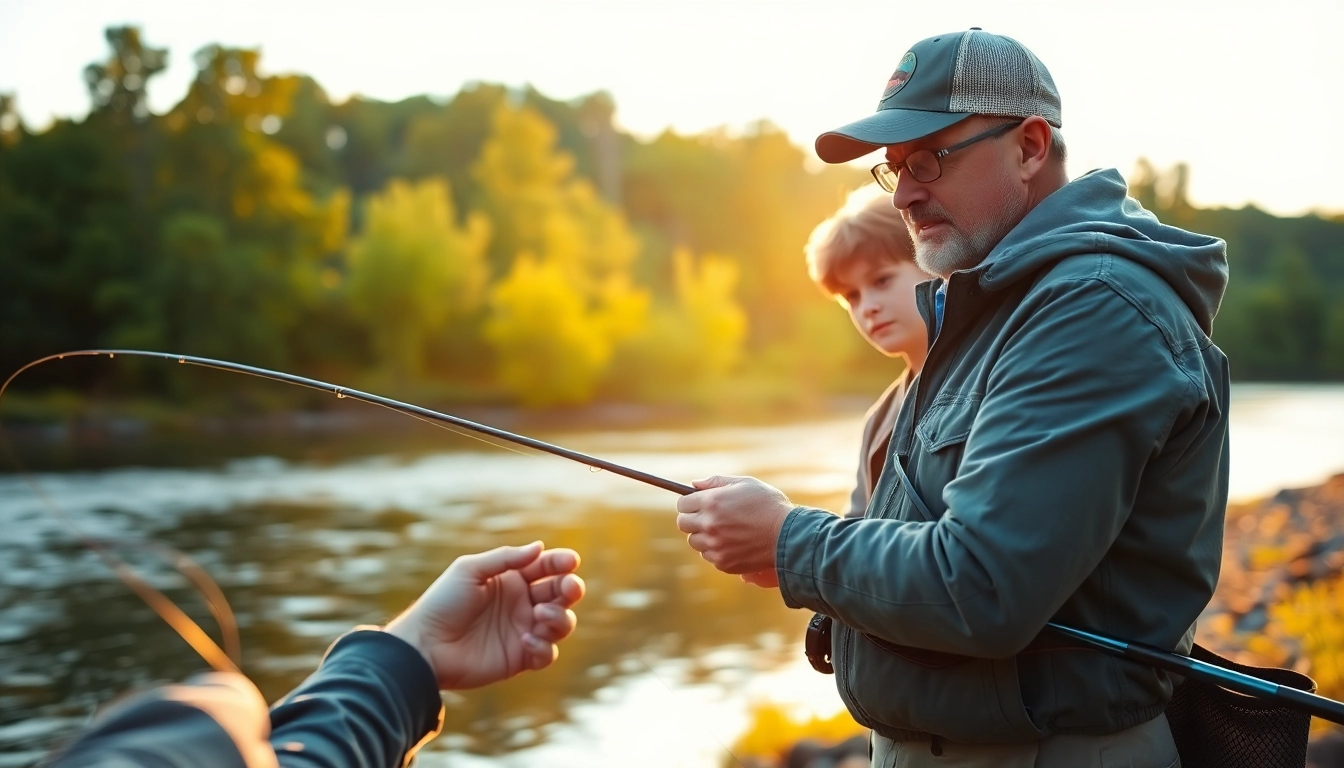
One of the most critical elements of successful fly fishing is matching your fly fishing line with the appropriate rod and reel setup. Each rod and reel is designed to handle specific line weights, and ensuring this alignment can lead to improved casting accuracy and distance. For example, a fast-action rod paired with a weight-forward line can deliver long, powerful casts, while a slower action rod may be more compatible with a double taper line for accurate and delicate presentations.
Pinpoint Casting Techniques
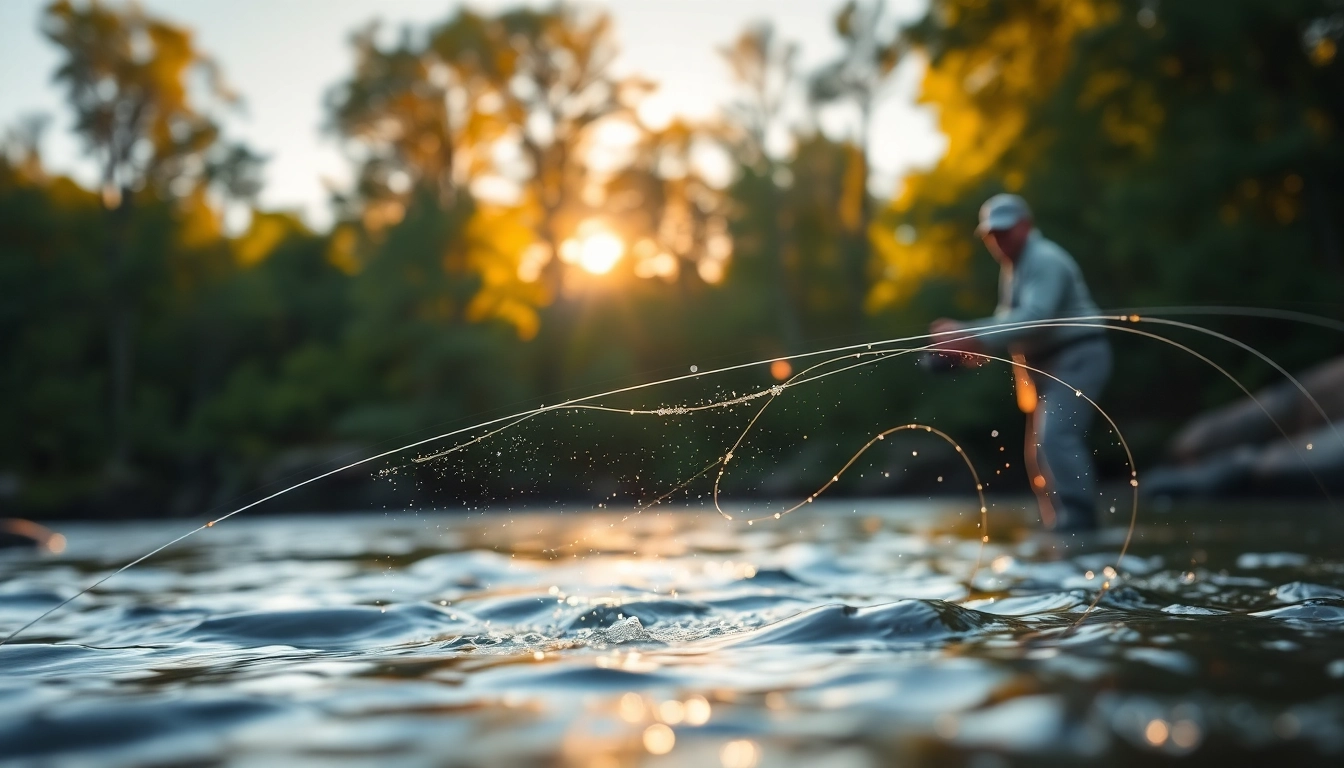
Effective casting techniques can significantly impact your success rate. Techniques such as the roll cast, overhead cast, and sidearm cast can all be adapted depending on environmental conditions and targeted species. Practicing these various styles will enhance an angler's versatility, enabling them to place casts accurately in different situations. Remember to practice these techniques on dry land and then transition them into the field for the best results.
Understanding Line Drag and Its Importance
Line drag plays a crucial role in the way a fish interacts with the fly. Too much drag can lead to spooked fish, while the right amount promotes a more natural presentation. Factors influencing drag include water current, line weight, and the tension in your line. By understanding these dynamics, you can adjust your technique, position your rod accordingly, and improve your chances of fooling even the most reluctant fish into biting.
FAQs about Fly Fishing Line
What should I consider when buying a fly fishing line?
Consider the type of water you’ll be fishing, the species targeted, and the line’s weight to select the best fit for your needs.
How do I maintain my fly fishing line?
Regularly clean your line, check for damage, and store it correctly to prolong its lifespan and enhance performance.
What is the difference between floating and sinking lines?
Floating lines stay on the surface for top presentations, while sinking lines drag below to target deeper waters effectively.
Can I use the same fly fishing line for different types of fish?
Yes, but ensure the line matches the weight and species for optimal results while targeting various fish types.
How often should I change my fly fishing line?
It's recommended to change your line annually or sooner if you notice wear, fading, or if you’ve had a lot of use.