
Understanding the Basics of Shower Bases
What is a Shower Base?
A shower base, often referred to as a shower pan, is the waterproof section of a shower that serves as the foundation for the entire installation. It channels water into the drain, preventing leaks and the potential for water damage. Typically designed to support the weight of the user, a shower base is an essential component in modern bathroom renovations. Choosing the right shower base involves considering various styles, sizes, and materials to best fit your specific shower design and functional requirements. For further exploration of options, you can find an extensive selection of shower base products.
Types of Shower Bases Available
Shower bases come in various types, each catering to different aesthetic preferences and practical needs. The most common types include:
- Alcove Shower Bases: Designed for installation against three walls, they offer a streamlined look and save space.
- Corner Shower Bases: Perfect for smaller bathrooms, these bases fit snugly into a corner, optimizing available space.
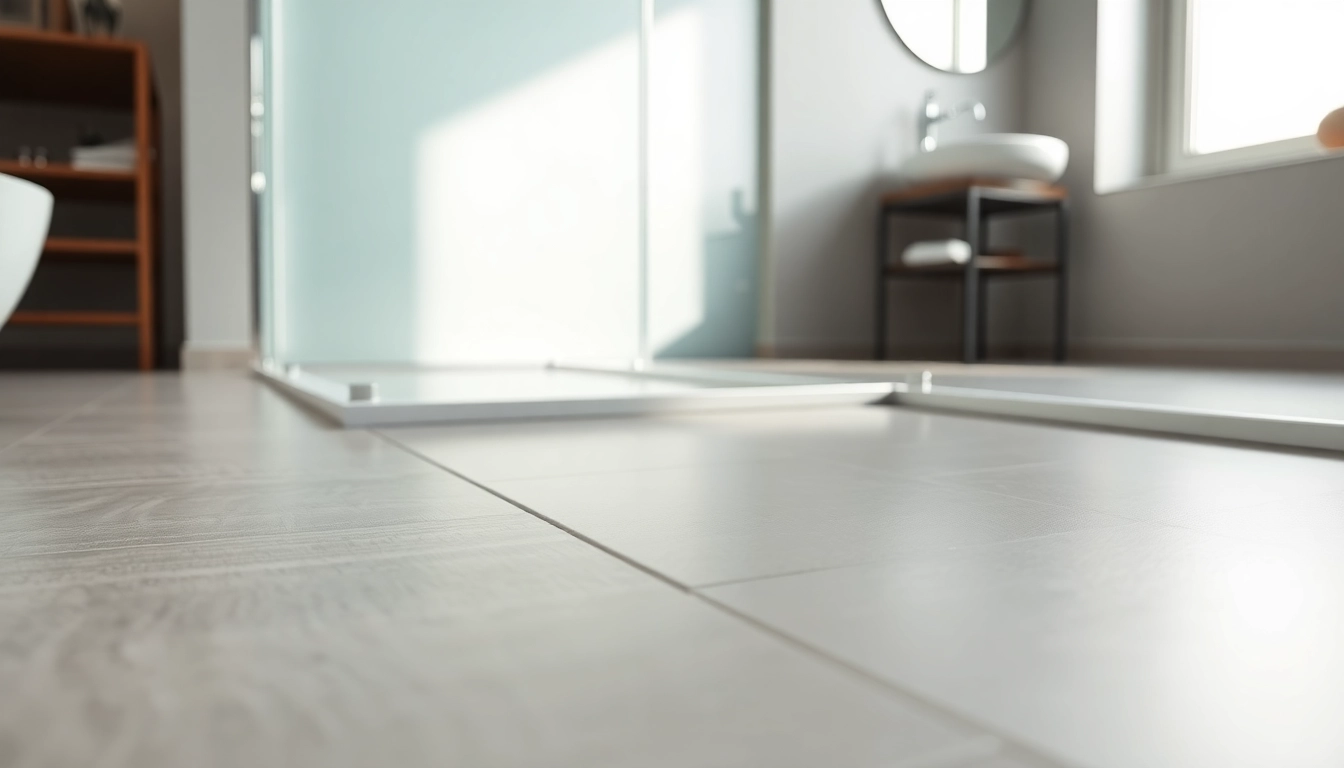
- Curbless Shower Bases: These provide a seamless transition from the bathroom floor to the shower, enhancing accessibility and modern aesthetics.
- Custom Shower Bases: Tailored to individual specifications, custom bases allow for unique designs and sizes to fit any space.
Common Materials Used in Shower Bases
Choosing the right material for a shower base greatly impacts its performance and longevity. Common materials include:
- Acrylic: Lightweight and easy to install, acrylic shower bases are popular for their smooth finish and wide variety of styles.
- Fiberglass: Known for its affordability and durability, fiberglass shower bases can withstand daily use but may require more maintenance.
- Stone or Tile: These materials are prized for their aesthetic appeal and versatility. Combining different tiles can create stunning designs, though the installation may be more complex.
- Stainless Steel: A modern option known for its sleek look and resistance to rust and corrosion, ideal for contemporary designs.
Factors to Consider When Selecting a Shower Base
Measuring Space and Dimensions
Accurate measurements are crucial when selecting a shower base. Consider the overall space available in the bathroom as well as the dimensions of doors, fixtures, and the existing plumbing layout. Measure the width, depth, and height to ensure that the chosen shower base fits seamlessly into the intended area. A well-measured shower base will not only look better but will also perform effectively without any risk of leaks.
Design Aesthetics and Compatibility
Your shower base should complement the overall design of your bathroom. Consider styles, colors, and materials that match your existing decor. Whether opting for a minimalist design with clean lines or more intricate patterns, ensure that the shower base harmonizes with the overall aesthetic. Compatibility with shower doors and walls should also be factored into the decision to maintain a cohesive look.
Ease of Installation and Maintenance
Before making your selection, evaluate the ease of installation and the level of maintenance required for the shower base. Some materials, like acrylic, are easier to install and maintain than tile or stone bases. Furthermore, consider long-term upkeep; certain materials may require specialized cleaning products or more frequent upkeep to prevent wear and damage.
Comparing Costs: Shower Base Options
Budgeting for Your Bathroom Project
Establishing a budget for your bathroom renovation is essential, and understanding the costs associated with different shower bases can help you allocate your resources effectively. Costs can vary widely based on the type of material, size, and whether you choose a pre-fabricated or custom option. It’s vital to research costs, including installation, and factor these into your overall bathroom renovation budget.
Long-term Value vs. Initial Cost
While it may be tempting to choose the cheapest option available, consider the long-term value of the shower base you select. Higher-quality materials often come with extended warranties and better durability, translating to lower replacement costs over time. Balance your initial expenses with potential future savings when making your decision.
Assessing Quality and Durability
Evaluating the quality and durability of a shower base is pivotal to ensuring longevity and minimizing future expenses. Look for products that offer warranties, inspect the finishes for potential wear, and consider user reviews for insights on performance. A quality shower base should withstand daily use while maintaining its aesthetic appeal.
Best Practices for Installing a Shower Base
Preparing the Space Effectively
Proper preparation is key to a successful shower base installation. Begin by ensuring the subfloor is leveled and free of moisture. Remove any old materials and clean the area to create a solid foundation. Taking time during preparation will prevent potential issues during installation and help achieve a professional finish.
Step-by-Step Installation Guide
For a successful shower base installation, follow these general steps:
- Gather Tools and Materials: Ensure you have all necessary tools, including a level, measuring tape, and caulking gun.
- Check Level of the Subfloor: Make sure the subfloor is completely level; use shims if necessary.
- Install Drain Assembly: Assemble the drain and ensure it is connected to the plumbing line properly.
- Position the Shower Base: Carefully position the shower base onto the subfloor, making adjustments to align it with the drain.
- Secure the Base: Follow the manufacturer's instructions for securing the base, usually involving adhesive or screws.
- Seal the Edges: Use caulking to seal edges and prevent water leakage.
Common Mistakes to Avoid
To ensure a successful installation, be wary of these common mistakes:
- Failing to level the subfloor, causing water pooling.
- Not adequately sealing joints and edges, leading to leaks.
- Choosing the wrong size base for the shower area.
- Rushing through the installation without proper planning.
Maintenance Tips for a Long-lasting Shower Base
Regular Cleaning Routines
To keep your shower base looking great and functioning properly, establish a regular cleaning routine. Use non-abrasive cleaners suitable for the shower base material to avoid scratches and damage. Regularly inspect for signs of wear or water damage and address any issues promptly to extend the life of your shower base.
Dealing with Common Issues
Over time, shower bases can develop issues such as cracks, mold, or discoloration. Address these concerns quickly by cleaning with appropriate solutions or repairing cracks with suitable fillers. If damage exceeds repair capabilities, consider consulting a professional for replacement options.
When to Replace Your Shower Base
If your shower base exhibits significant wear and tear, such as large cracks, persistent leaks, or mold that cannot be eradicated, it may be time for a replacement. Regularly assess the condition of your shower base to determine if it has reached the end of its lifespan, typically around 10-25 years depending on material and maintenance.
Frequently Asked Questions
What size shower base do I need?
Measure your shower space carefully, considering door swings and surrounding fixtures to ensure a proper fit for your shower base.
How do I clean my shower base?
Regularly clean your shower base with mild, non-abrasive cleaners and a soft cloth to maintain its shine and prevent buildup.
Can I install a shower base myself?
Yes, if you have basic DIY skills. However, professional installation is recommended for best results and lasting durability.
What materials are shower bases made from?
Common materials include acrylic, fiberglass, and tile, each offering unique benefits in terms of aesthetics and durability.
How long does a shower base last?
A well-maintained shower base can last 10-25 years, depending on material quality and usage conditions.