
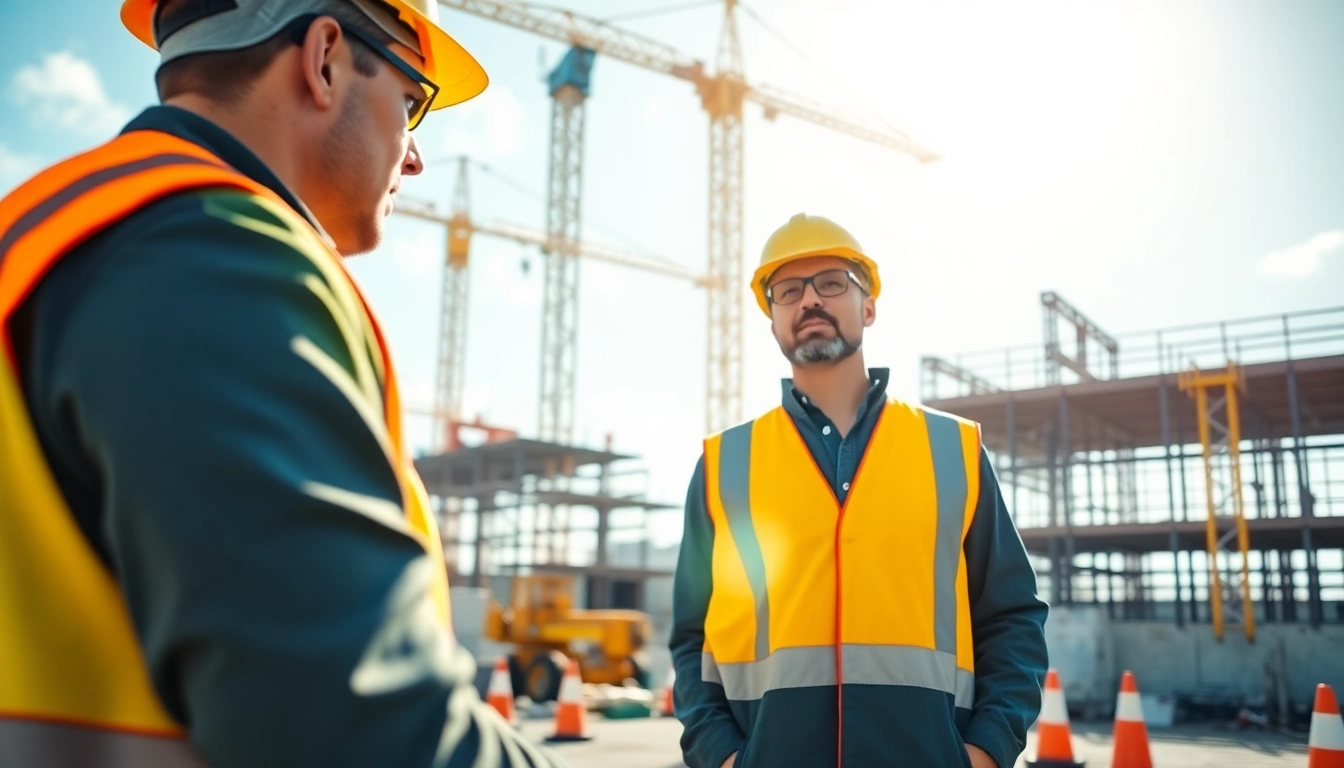
Understanding the Importance of Construction Safety Training
Defining Construction Safety Training
Construction safety training is an essential practice that educates workers in the construction industry about the best safety practices and protocols to minimize accidents and injuries on the job site. This training equips employees with the knowledge they need to identify potential hazards, use PPE (personal protective equipment) correctly, and respond effectively during emergencies. The primary goal is to foster a culture of safety that prioritizes the well-being of all workers.
In an industry known for its inherent risks, proper training serves not only as a legal responsibility but also as a moral obligation. The construction safety training programs are designed to cover a range of topics, including fall protection, scaffold safety, electrical safety, and hazard communication, ensuring that each worker is prepared for various situations they may encounter on-site.
Legal Requirements and Regulations
Construction safety training is heavily influenced by various federal and state regulations. The Occupational Safety and Health Administration (OSHA) outlines specific training requirements in standards such as 29 CFR 1926, which focuses on safety in the construction industry. Employers are required to provide training to workers to ensure they can perform their jobs safely and without endangering themselves or others.
In addition to federal regulations, many states have their own safety standards that may impose stricter guidelines. It’s crucial for employers to stay informed about these regulations to ensure compliance and avoid potential penalties. Failure to adhere to these training requirements can lead to citations, fines, and increased liability in the case of accidents.
Consequences of Neglecting Safety Training
Neglecting safety training can have severe consequences that extend beyond regulatory penalties. Inadequate training may lead to an increased rate of workplace accidents, resulting in injuries or fatalities. These accidents not only harm workers physically but can also have emotional and financial repercussions on their families and communities.
Furthermore, incidents resulting from lack of training can damage a company's reputation, leading to a loss of business opportunities and increased insurance premiums. Beyond these tangible consequences, the overall morale and trust within a workforce can deteriorate, leading to decreased productivity and employee retention. Employers must recognize that investing in comprehensive safety training programs is an investment in their workforce and overall project success.
Key Components of Construction Safety Training Programs
Hands-on Safety Demonstrations
One of the most effective ways to teach construction safety is through hands-on demonstrations. These practical sessions allow workers to engage directly with safety equipment and see firsthand how to apply safety protocols in real situations. From learning how to properly wear harnesses for fall protection to using scaffolding and ladders safely, hands-on training reinforces theoretical knowledge through practice.
Instructors can simulate common hazards on-site and train workers on mitigation strategies, empowering them to react appropriately under pressure. This experiential learning approach has been shown to be more effective than traditional classroom instruction alone, as it allows employees to experience real-world scenarios and build confidence in their safety skills.
Use of Safety Equipment and Gear
An integral part of construction safety training is educating workers on the correct use of personal protective equipment (PPE). Proper training on PPE ensures that workers understand how to select, wear, and maintain their safety gear. This includes hard hats, safety goggles, gloves, and respiratory gear, which can significantly reduce the risk of injury in hazardous work environments.
Training should include information on the limitations of safety equipment, such as when it is inadequate for specific hazards or how to recognize when gear is damaged. Additionally, workers should learn the importance of ergonomics in using tools and equipment effectively and safely. By prioritizing the proper use of safety gear, companies can greatly enhance their safety performance.
Preparation and Emergency Response Planning
Effective construction safety training goes beyond simply mitigating risks; it also prepares workers to respond to emergencies. Training sessions should include emergency response planning, where workers learn how to react in various emergency situations, from medical emergencies to environmental hazards like chemical spills.
Plans should cover evacuation procedures, communication protocols, and first aid training. Regular drills can be an effective way to keep emergency procedures fresh in workers’ minds. Employees who are confident in their emergency response skills are far better prepared to act decisively during a crisis, potentially saving lives and reducing the impact of the emergency.
Pioneering Techniques for Effective Safety Training Delivery
Interactive Training Methods
Interactive training methods foster engagement and creativity among trainees, making learning more enjoyable and memorable. Techniques such as group discussions, role plays, and problem-solving exercises can promote active participation and allow workers to share experiences and knowledge. By encouraging dialogue, interactive methods can enhance comprehension and retention of material.
For example, rather than presenting a lecture on fall prevention, trainers may allow participants to work together to identify potential fall hazards in a simulated work environment and brainstorm appropriate remedies. Engaging staff in discussion forces them to think critically, making the training more relevant and practical.
Utilizing Technology in Safety Training
With the rapid advancement of technology, incorporating digital tools into safety training has become increasingly valuable. Virtual reality (VR) and augmented reality (AR) simulations can provide immersive training experiences that mimic actual construction environments. These tools allow trainees to practice safety procedures in a safe, controlled setting, enhancing their confidence and competence.
Online training platforms also provide flexibility, allowing workers to complete modules at their own pace and revisit material as needed. Utilizing data analytics, employers can assess training effectiveness and customize content based on employee performance. Technology-driven training solutions streamline the learning process, making it more efficient and engaging for all participants.
Assessing and Adapting Training for Diverse Teams
Every construction team is unique, comprising individuals with varying skill levels, backgrounds, and learning preferences. It is crucial for safety training programs to be inclusive and adaptable to suit diverse teams. Conducting a skills gap analysis can help trainers understand the specific needs of their workforce, enabling the development of tailored programs that address unique challenges faced by different team members.
Offering different learning formats—such as workshops, online courses, and one-on-one mentoring sessions—can cater to various learning styles and reinforce training objectives. Moreover, cultural factors can influence how safety training is perceived and accepted, so it’s essential to consider these aspects when designing and implementing training programs.
Best Practices in Implementing Construction Safety Training
Regular Safety Assessments and Updates
Consistency is key in maintaining an effective construction safety training program. Regular safety assessments allow employers to identify gaps in knowledge or areas where additional training may be necessary. Best practices dictate that training programs should not be static; they must evolve based on industry changes, emerging technologies, and lessons learned from past incidents.
Incorporating feedback from safety audits, incident reports, and worker input can optimize training efforts and ensure that the program remains relevant. Employers should set a schedule for routine assessments, ensuring that training reflects current regulations and safety standards.
Employee Involvement and Feedback
Engaging employees in the safety training process is essential for fostering a safe work environment. Involving them in discussions about safety protocols helps promote a sense of ownership and responsibility. This can be achieved by encouraging workers to share their experiences, observations, and suggestions for improving safety practices.
Establishing anonymous feedback channels can also facilitate honest communication about training effectiveness. Regularly soliciting input not only empowers employees but can also uncover valuable insights that might otherwise go unnoticed. Companies should view employee involvement in safety training as a collaborative effort that strengthens the overall safety culture.
Creating a Culture of Safety Awareness
Developing a pervasive culture of safety awareness is one of the most effective strategies for minimizing accidents on construction sites. Training should emphasize that safety is not just the responsibility of a few designated individuals but a collective obligation of the entire workforce. This means fostering open communication, where workers feel empowered to speak up about hazards and safety concerns without fear of retribution.
Leaders should lead by example, actively demonstrating their commitment to safety through their actions and decisions. Incorporating safety metrics into performance reviews and recognizing and rewarding safe behavior can help reinforce this culture. When employees see that safety is prioritized at all levels of an organization, they are more likely to adhere to protocols and take personal accountability for their safety and that of their peers.
Measuring the Success of Safety Training Programs
Key Performance Indicators (KPIs)
Effectively measuring the success of safety training programs is crucial for ensuring the continuous improvement of safety culture on construction sites. Key performance indicators (KPIs) provide a tangible way to track the effectiveness of training initiatives. Common KPIs might include the number of safety incidents reported, the severity of incidents, training completion rates, and employee feedback scores on training programs.
By analyzing these metrics, organizations can identify trends over time and assess the impact of training efforts. For example, a noticeable reduction in workplace accidents following a new safety training module may indicate its effectiveness, encouraging employers to adopt similar programs across their organization.
Feedback and Continuous Improvement
Feedback is a vital component in evaluating and improving safety training programs. Encouraging trainees to provide insights about their training experience helps uncover areas that may require modification or enhancement. This process not only aids in refining training content but also makes employees feel valued and heard, which can lead to increased engagement in safety initiatives.
Employers should analyze feedback consistently, utilizing it to make informed decisions regarding updates to training methods, topics, and delivery formats. This commitment to continuous improvement reflects an organization’s dedication to fostering a safe work environment and adapting to the changing needs of its workforce.
Case Studies of Successful Training Implementations
Examining real-world case studies can provide valuable insights into the effectiveness of safety training programs. For instance, a construction company may implement a robust safety training initiative that includes weekly training sessions, hands-on drills, and the integration of technology. Over the course of a year, the company may see a significant decrease in the number of reported incidents along with improved employee satisfaction scores regarding safety.
Another example could include collaborations with safety organizations that help enhance training content and improve outcomes. These partnerships can lead to innovative safety training solutions and foster a broader safety culture that extends beyond individual organizations. By analyzing these successful case studies, other companies can draw inspiration and insights to create or enhance their own safety training efforts.
In conclusion, construction safety training is not just a regulatory requirement; it is a crucial investment in protecting the well-being of workers and the overall success of projects. Comprehensive training programs that emphasize engagement, hands-on experience, and continuous improvement can create a safer and more productive work environment. By prioritizing safety training, employers demonstrate their commitment to their workforce and the long-term viability of their operations.