
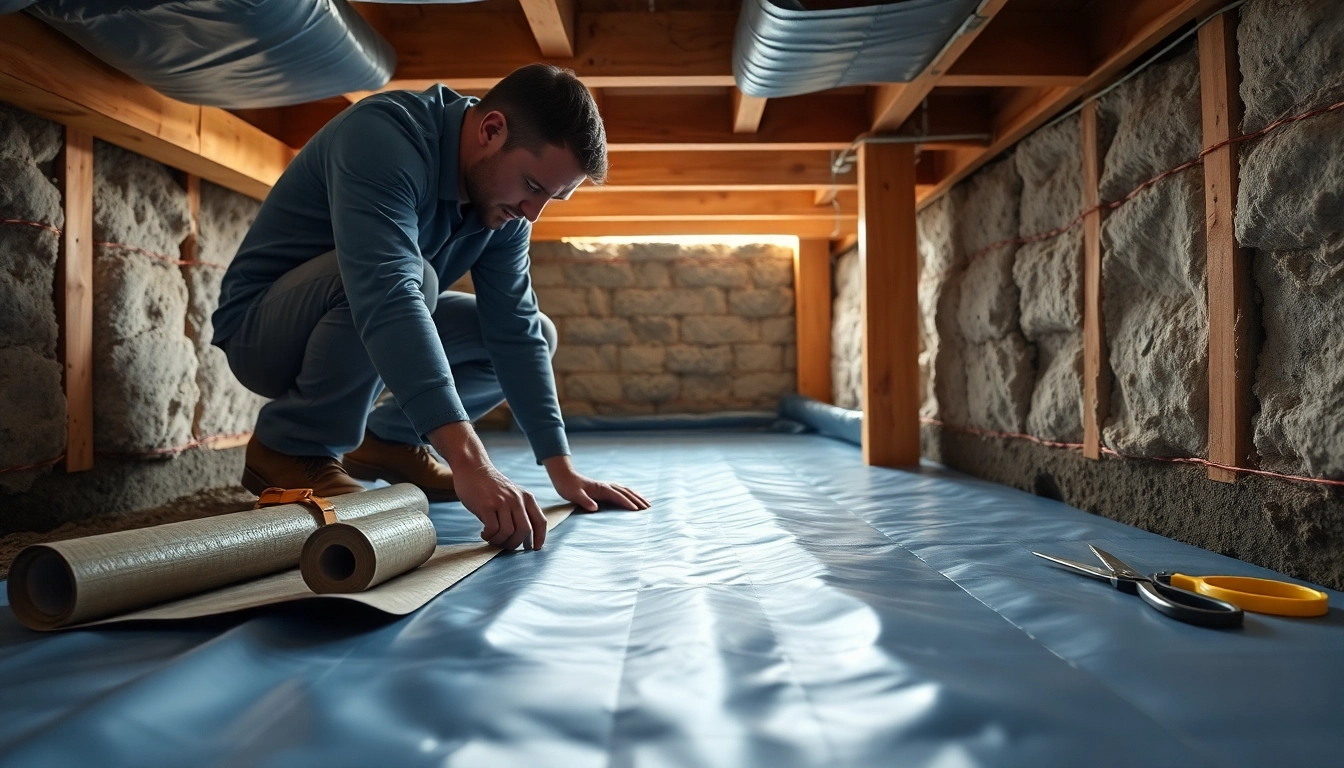
Understanding Vapor Barrier Installation
Vapor barriers are essential elements in ensuring that a structure remains dry and free from moisture-related problems. As homes become more energy-efficient, understanding the importance of Vapor Barrier Installation becomes crucial for homeowners and builders alike. This article delves into the importance, materials, installation steps, best practices, and common mistakes to avoid when installing a vapor barrier, providing a comprehensive guide for maintaining a moisture-free environment.
What is a Vapor Barrier?
A vapor barrier is a material designed to prevent moisture from penetrating a wall, floor, or ceiling assembly. Typically made from plastic, foil, or other impermeable materials, vapor barriers are installed in areas below ground or in spaces affected by humid conditions. Their primary function is to control the movement of water vapor in and out of a building, protecting it from moisture accumulation that can lead to structural damage, mold growth, and deterioration of building materials.
Why is Vapor Barrier Installation Important?
The installation of vapor barriers is crucial for several reasons. First and foremost, they help to protect the integrity of a building by preventing moisture intrusion, which can weaken structural components over time. Additionally, vapor barriers assist in regulating indoor humidity levels, contributing to a healthier living environment by minimizing mold spores and allergens. Moreover, they enhance energy efficiency by reducing heating and cooling costs, as they help maintain a consistent indoor climate by preventing moisture from impacting insulation effectiveness.
Common Materials Used in Vapor Barriers
When it comes to choosing materials for vapor barriers, several options are commonly available:
- Polyethylene Plastic Sheets: The most widely used material, available in various thicknesses. Typically, a thickness of 6-mil or 10-mil is preferred for residential applications.
- Foil Barriers: Made of aluminum foil, these barriers are effective in reflecting heat and preventing moisture but are generally more expensive and less flexible than plastic options.
- Spray-On Barriers: These offer a seamless application that can be advantageous in hard-to-reach areas, creating a robust moisture barrier.
Steps for Proper Vapor Barrier Installation
Installing a vapor barrier may seem daunting, but by following systematic steps, you can achieve effective results.
Preparing the Crawl Space
The first step in installing a vapor barrier is preparing the crawl space. This involves clearing the area of any debris, soil contamination, or old materials that might inhibit the new barrier's effectiveness. If there are any leaks or water intrusion points, it’s necessary to address these first. Fixing plumbing leaks and ensuring proper drainage around the foundation will create a moisture-free environment for the vapor barrier installation.
Measuring and Cutting the Barrier
Once the space is prepped, the next step is to measure the crawl space accurately. Start by measuring the length and width of the area where the vapor barrier will be installed. It’s crucial to account for overlaps; therefore, add about 12 inches to the length and width measurements. After determining the needed dimensions, cut the polyethylene sheets or chosen material accordingly. This ensures that you have enough coverage to overlap joints and edges, maximizing the vapor barrier's effectiveness.
Securing and Sealing the Barrier
After cutting your vapor barrier, it's time to install it. Begin at one corner of the crawl space and lay the barrier flat on the ground, ensuring it covers the entire area. Overlap seams by at least 12 inches and use polyethylene tape or an adhesive to secure the seams and edges. Additionally, for walls, extend the barrier up to the top of the foundation walls, securing it with tape or staples to ensure a watertight seal. Examine the entire installation area for gaps and ensure the barrier is tight, secure, and efficiently installed.
Best Practices for Vapor Barrier Installation
To ensure the longevity and effectiveness of your vapor barrier installation, several best practices should be followed.
Choosing the Right Thickness and Material
Selecting the right thickness and material is crucial for effective moisture control. Typically, a thickness of 6-mil or 10-mil polyethylene is suitable for most residential applications. However, in areas prone to higher moisture levels, it may be worth considering thicker materials or specialized vapor barriers designed for extreme conditions. Understanding the specific needs of your home based on local climate and soil types can guide material selection.
Addressing Drainage Issues
Before installing your vapor barrier, ensure that your property's drainage systems are functioning correctly. Proper grading away from the foundation and clear gutters can significantly reduce moisture levels around the foundation. If your home is in a flood-prone location, consider incorporating a sump pump or other drainage solutions to divert excess water away from your crawl space.
Regular Maintenance and Inspection
The effectiveness of a vapor barrier can diminish over time, so routine maintenance is essential. Schedule annual inspections to check for tears, punctures, or degradation of materials. Look for signs of moisture or mold growth, indicative of seal failure or barrier damage. Prompt repairs can prevent larger, more costly issues down the road. Regular attention to your vapor barrier helps maintain its effectiveness and your home’s integrity.
Common Mistakes to Avoid in Vapor Barrier Installation
While installing a vapor barrier, there are several common pitfalls to avoid to ensure maximum effectiveness.
Overlooking Moisture Sources
One of the most significant mistakes is failing to identify and address moisture sources before installation. Ignoring potential entry points for water, such as plumbing leaks or high groundwater levels, can render your vapor barrier ineffective. It's critical to assess the environment thoroughly and mitigate moisture sources before sealing the space.
Improper Sealing Techniques
Using ineffective sealing techniques can compromise the vapor barrier's performance. Joints and seams must be secured with appropriate tape or adhesive; otherwise, gaps will allow moisture to infiltrate the space. Always ensure overlapping seams are adequately sealed to maintain a complete barrier against water vapor.
Ignoring Local Building Codes
Many homeowners make the mistake of installing a vapor barrier without consulting local building codes, which can have specific guidelines regarding vapor barrier installation. Failing to adhere to these codes can not only lead to improper installation but also result in penalties or complications if you decide to sell your home. Always ensure your installation meets local regulations.
FAQs About Vapor Barrier Installation
How often should I inspect my vapor barrier?
It’s advisable to inspect your vapor barrier at least once a year or after heavy rains to ensure it’s functioning properly.
Can I install a vapor barrier myself?
Yes, but ensure you follow best practices and local building codes for safety and effectiveness in installation.
What happens if my vapor barrier is damaged?
Damaged vapor barriers can lead to moisture intrusion, promoting mold growth and structural damage within the building.
Is a vapor barrier necessary in all climates?
While essential in humid areas, its necessity varies with climate conditions; always check local requirements and regulations before installation.
How long does a vapor barrier last?
With proper installation and regular checks, a vapor barrier can last several years. However, routine maintenance is key to its longevity.