The Vision Behind North Main Makeover
Objectives and Goals
The North Main Makeover is a transformative project aimed at revitalizing an underutilized urban corridor. The primary objectives include enhancing the aesthetic appeal of the area, promoting sustainable practices, and invigorating local businesses. A balanced blend of functionality and design is at the core of this project, ensuring it serves both community and commercial interests effectively while addressing the need for green spaces and pedestrian-friendly environments.
Community Involvement Strategies
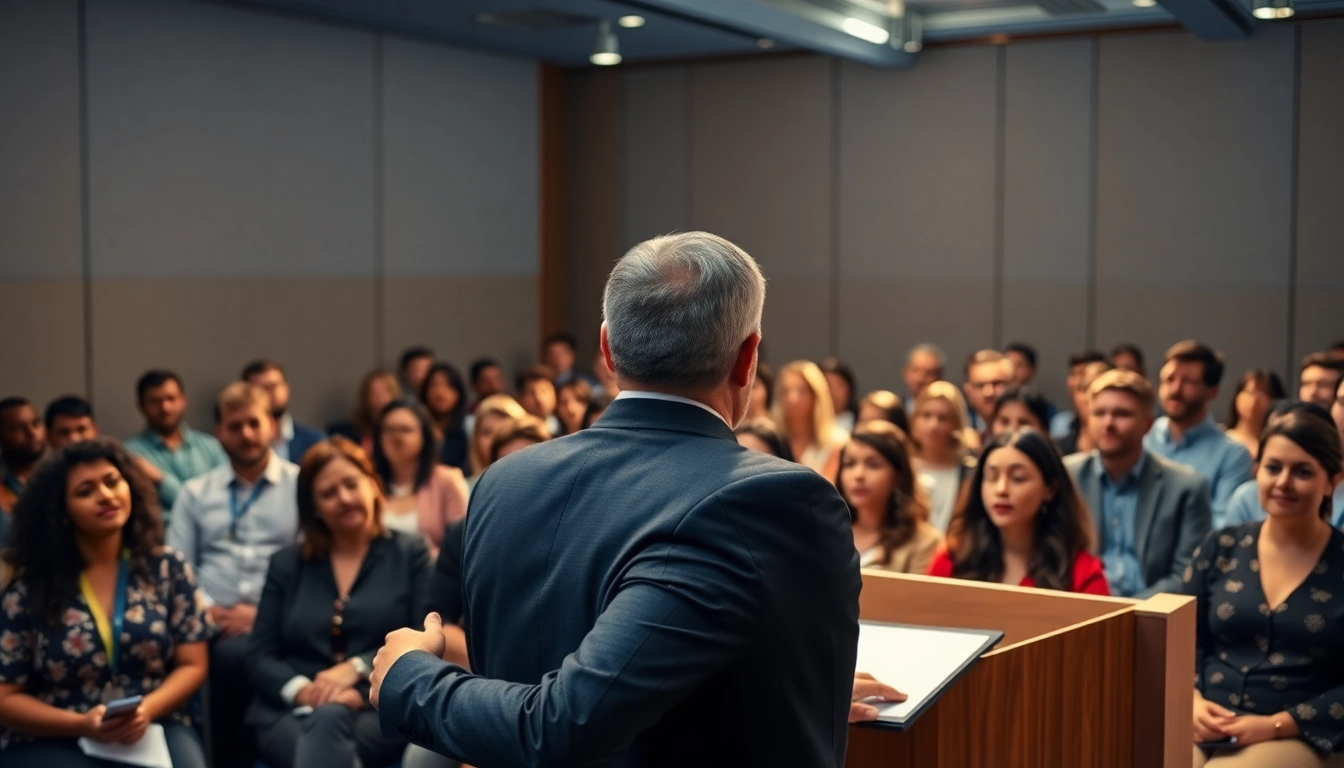
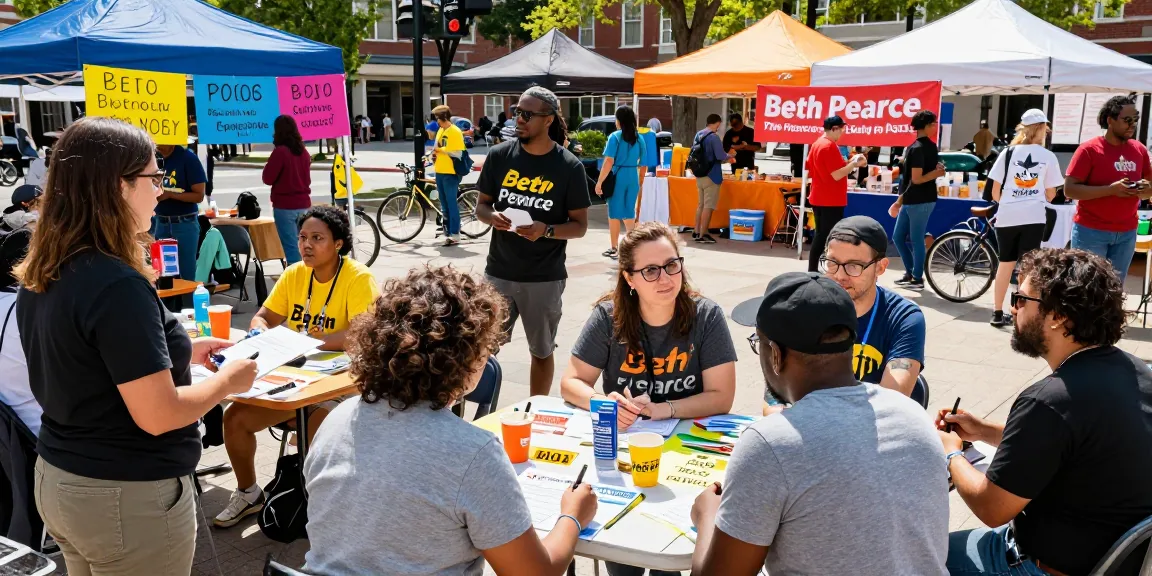
Engaging the community is critical to the success of the North Main Makeover. Various strategies have been employed to gather public input, ensuring local voices inform the planning and design process. Town hall meetings, workshops, and surveys facilitate discussions where residents share their thoughts on what improvements are desired. Additionally, partnering with local organizations helps to bridge connections between the residents and stakeholders, fostering a sense of ownership and pride in the project.
Design Elements and Features
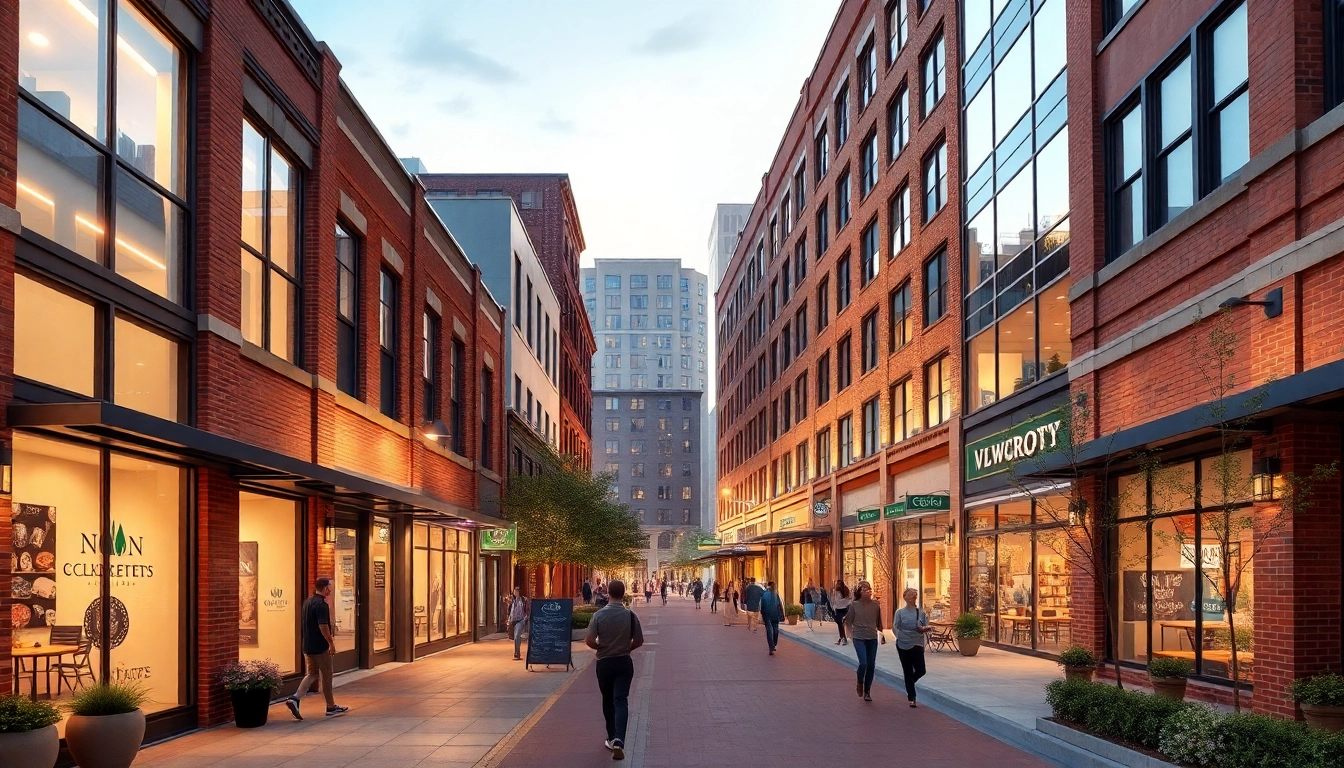
The design elements of the North Main Makeover reflect both the character of the community and innovative urban design trends. Features include landscaped plazas, dedicated bike lanes, and pedestrian pathways that encourage interaction and leisure. Historical architecture is preserved and highlighted, while the introduction of modern amenities ensures that the area is both functional and aesthetically pleasing. Green infrastructure, such as rain gardens and permeable pavements, is incorporated to enhance environmental sustainability.
Benefits of the North Main Makeover
Economic Growth Opportunities
The revitalization of North Main heralds significant economic growth. Renovated commercial spaces attract new businesses, which in turn creates jobs and stimulates local spending. Increased foot traffic, a result of enhanced public spaces, creates a buzz that is beneficial for existing enterprises as well. Economic impact studies indicate that well-planned urban revitalizations can lead to increased property values and higher tax revenues, further contributing to the local economy.
Enhancing Community Engagement
The North Main Makeover serves as a catalyst for increased community engagement by providing spaces for events and gatherings. The newly designed parks and public squares foster social interaction, providing venues for farmers' markets, art fairs, and festivals. This enhanced community engagement helps strengthen neighborhood connections and cultivates a shared identity among residents, making the area a more cohesive community.
Visual and Aesthetic Improvements
The visual transformation of North Main is designed to create a pleasing environment that reflects the community’s history and culture. Streetscapes featuring native plants, public art installations, and well-lit pathways enhance the overall aesthetic appeal. These improvements not only beautify the space but also create a welcoming environment that draws residents and visitors alike, leading to increased use of the area.
Challenges Faced During the North Main Makeover
Funding and Budget Constraints
One substantial challenge in executing the North Main Makeover has been securing necessary funding. Tight budgets require careful planning and allocation of resources to ensure that all aspects of the project can be completed successfully. Efforts to seek grants and collaborate with local businesses and foundations have been essential in overcoming these financial hurdles, demonstrating that community support is vital for sustainable development initiatives.
Community Resistance and Acceptance
While community engagement strategies aim to minimize resistance, some residents may initially oppose changes to their familiar environment. It’s crucial to address these concerns proactively, emphasizing transparency and open dialogue. Educating the public about the long-term benefits of the makeover can gradually lead to increased acceptance. Fostering a sense of partnership—where residents feel involved in the decision-making process—can alleviate fears and build collective enthusiasm for the project.
Logistical Considerations
The practical aspects of implementing the North Main Makeover pose several logistical challenges. Coordinating construction schedules, managing traffic during the renovation phases, and ensuring safety standards are maintained all require meticulous planning. Engaging local government and transportation agencies helps mitigate disruptions and create a well-structured plan that balances development needs with community safety and mobility.
Success Stories from the North Main Makeover
Case Studies and Examples
Success stories from the North Main Makeover shed light on the positive impact of urban revitalization. For instance, a local café that reported a 30% increase in customer traffic post-renovation serves as a testament to the project's effectiveness. Other businesses, such as boutiques and art galleries, have seen similar benefits, indicating that a vibrant public realm contributes directly to commercial success, fostering a sense of economic vitality in the area.
Before and After Comparisons
Visual transformations in urban spaces provide compelling insights into the impact of design changes. Before and after images of North Main highlight the shift from a neglected area to a bustling community hub filled with greenery, art, and pedestrian-friendly environments. These comparisons not only serve as inspiration for other urban revitalization efforts, but they also document the tangible benefits of thoughtful infrastructure improvements.
Feedback from Residents
Resident feedback has been overwhelmingly positive since the completion of the North Main Makeover. Many community members report a renewed sense of pride and belonging, as well as increased safety and enjoyment of public spaces. Testimonials capture the essence of the project’s success—transforming not just the physical environment but also the social dynamics of the community.
Future Trends in Urban Revitalization
Innovative Design Approaches
As urban spaces continue to evolve, innovative design approaches will play a pivotal role in future revitalization efforts. Trends such as biophilic design—integrating nature into urban architecture—can help improve mental well-being and foster a connection between residents and their environment. Smart city technologies, which utilize data to enhance urban living, will also shape the way cities are rebuilt, making them more efficient and responsive to community needs.
Technology Integration in Urban Spaces
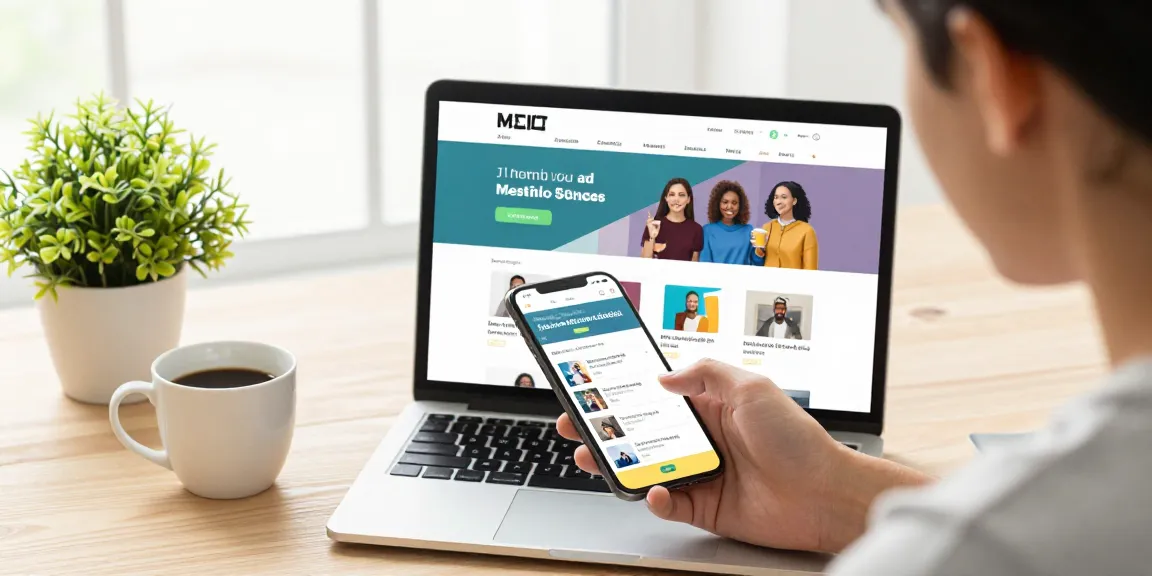
The incorporation of technology into public spaces is increasingly important. Innovations such as smart lighting, free public Wi-Fi, and digital information kiosks can enrich user experience and facilitate ease of navigation. Integrating app-based solutions for community engagement can also ensure residents remain in the loop regarding upcoming events, project developments, and local news, bridging gaps between urban planning and community participation.
Long-Term Sustainability Goals
Long-term sustainability remains a critical focus in urban revitalization projects like the North Main Makeover. Goals include reducing greenhouse gas emissions, enhancing local biodiversity, and ensuring equity in access to resources and public spaces. Implementing green building standards and promoting the use of renewable energies are essential steps toward creating a resilient urban ecosystem that addresses environmental concerns while improving quality of life for all residents.
FAQs
What is the North Main Makeover?
The North Main Makeover is an urban revitalization project focused on transforming a key area to enhance aesthetics, community engagement, and economic growth.
How can the community get involved?
Community involvement includes attending town hall meetings, participating in surveys, and engaging in local workshops to voice opinions and ideas.
What are the primary benefits of the makeover?
Benefits include economic growth opportunities, enhanced community engagement, and significant aesthetic improvements in the urban landscape.
What challenges were faced during the project?
Challenges included funding constraints, community resistance to change, and logistical issues related to construction and urban planning.
What future trends might emerge from this project?
Future trends may include innovative design approaches, increased technology integration in urban spaces, and a focus on long-term sustainability goals.