Introduction to the Manaslu Circuit Trek
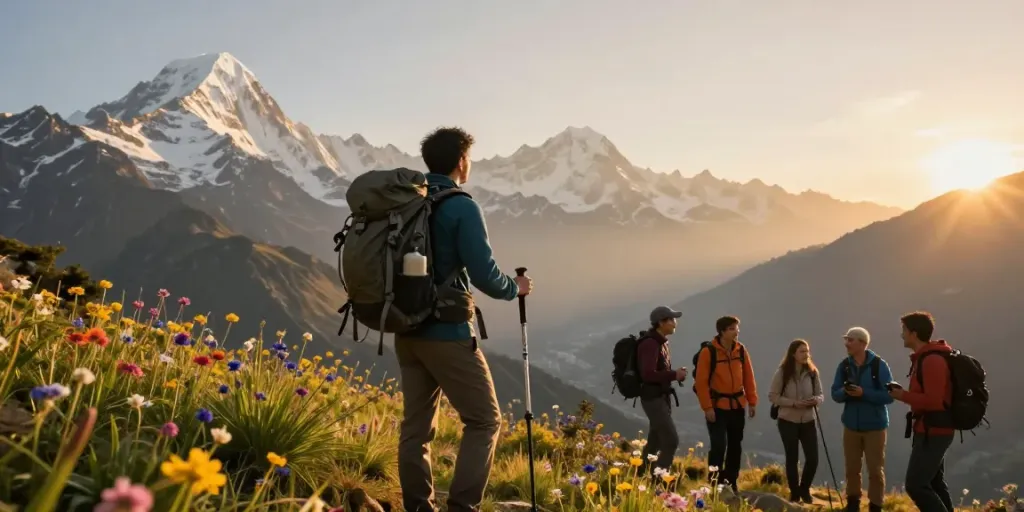
The Manaslu Circuit Trek stands as an alluring adventure, appealing to both seasoned trekkers and those new to the Himalayan expanse. Nestled in the heart of Nepal, this extraordinary trek offers not only a unique challenge but also a captivating journey through diverse landscapes, showcasing pristine nature and rich cultural heritage. As travelers wind their way through remote villages, past ancient monasteries, and under the watchful gaze of the majestic Mount Manaslu (8,163 m), they experience a fusion of breathtaking sceneries and authentic cultural encounters. A well-planned trek to Manaslu Circuit promises an enriching experience for those seeking both adventure and tranquility amid the grandeur of the Himalayas.
Whether you are contemplating your first trek or are a seasoned adventurer, the trek to Manaslu Circuit provides comprehensive insights and routes to explore this pristine region while ensuring you are well-prepared for the journey ahead.
What is the trek to Manaslu Circuit?
The Manaslu Circuit Trek is approximately 177 kilometers long and typically takes around 15 days to complete. This trek encircles the eighth highest mountain in the world, Mount Manaslu, and takes trekkers through the Manaslu Conservation Area, known for its stunning landscapes, diverse ecosystems, and rich cultural tapestry. The trek presents an unparalleled opportunity to connect with nature and immerse oneself in the local cultures of the Gurung and Tibetan communities along the route.
Unique features of the Manaslu Circuit
The uniqueness of the Manaslu Circuit Trek lies in its blend of remote trekking experiences, breathtaking views, and cultural authenticity. Unlike the more commercial routes such as the Everest Base Camp or Annapurna Circuit, the Manaslu Circuit remains relatively less crowded. The controlled tourism model in this area, which requires special permits, helps preserve the natural beauty and cultural integrity of the region. Key features include:
- Scenic Landscapes: From lush green valleys to high-altitude terrains, the trek showcases an impressive variety of ecosystems.
- Rich Culture: The trek provides insight into the lives of local communities, with opportunities to visit ancient monasteries and experience traditional practices.
- Wildlife Viewing: The conservation area is home to numerous endangered species, including snow leopards, which adds an element of excitement to the trek.
Why choose Manaslu Circuit over other treks?
The decision to trek the Manaslu Circuit over other popular trekking routes stems from a desire for adventure combined with the quest for solitude. Here are a few reasons why it stands out:
- Off-the-Beaten-Path: Unlike the crowded trails of Everest and Annapurna, the Manaslu Circuit offers a quieter, more peaceful trekking experience.
- Heightened Challenge: The trek’s rugged terrain and significant altitude gain present a rewarding challenge for experienced trekkers.
- Cultural Immersion: Engage with locals, explore Tibetan-influenced villages, and participate in cultural events along the route.
Planning Your Trek: Essential Information
Successfully planning a trek to the Manaslu Circuit requires attention to several key factors that will ensure a safe and enjoyable experience. Preparation involves understanding the best trekking seasons, securing necessary permits, and preparing physically.
Best times to trek the Manaslu Circuit in 2026
The prime trekking seasons for the Manaslu Circuit are:
- Spring (March to May): This is the most favorable time for trekking, offering clear skies and spectacular views of the blooming flora. Expect mild temperatures in the lower regions, transitioning to cooler conditions at higher altitudes.
- Autumn (September to November): Another excellent time to hike, characterized by stable weather and stunning panoramic views, making it ideal for trekking adventures.
Both seasons offer unique experiences, but it’s important to avoid the monsoon (July to early September) due to heavy rains, which can make trails slippery and hazardous.
Required permits for the trek to Manaslu Circuit
Permits are essential for the Manaslu Circuit Trek due to its status as a restricted area. The necessary permits include:
- Manaslu Restricted Area Permit (MRAP): Mandatory for all trekkers entering the region.
- Manaslu Conservation Area Permit (MCAP): Required for trekking in the conservation area.
- Trekkers’ Information Management System (TIMS) Card: Provides security and helps the government monitor the trekking activities.
All permits can be arranged by registered trekking agencies in Nepal, ensuring a smooth start to your adventure.
How to prepare physically for the trek
Physical preparation is crucial for a successful trekking experience on the Manaslu Circuit. Here are some recommendations:
- Build Stamina: Engage in cardiovascular training activities such as hiking, running, or cycling to improve endurance.
- Strength Training: Focus on building strength in your legs, core, and upper body to better manage the demands of uphill and downhill trekking.
- Practice Hiking: Try to hike on varying terrains, ideally carrying a loaded backpack to simulate trek conditions.
Detailed Itinerary for the Manaslu Circuit Trek
The typical itinerary for the Manaslu Circuit Trek is structured to ensure proper acclimatization, cultural exploration, and a gradual progression in altitude. Here’s a comprehensive day-by-day breakdown of what to expect:
Day-by-day breakdown of the trek
- Day 01: Arrival in Kathmandu and transfer to your hotel.
- Day 02: Drive from Kathmandu to Machha Khola, approximately 8-10 hours.
- Day 03: Trek to Jagat (1,340 m), approximately 6-7 hours.
- Day 04: Trek to Deng (1,860 m), approximately 6-7 hours.
- Day 05: Trek to Namrung (2,630 m), approximately 7-8 hours.
- Day 06: Trek to Lho (3,180 m), approximately 3-4 hours.
- Day 07: Trek to Samagaon (3,520 m), approximately 3-4 hours.
- Day 08: Acclimatization day in Samagaon with hikes to Birendra Lake and Manaslu Base Camp.
- Day 09: Trek to Samdo (3,875 m), approximately 3-4 hours.
- Day 10: Trek to Dharmashala (4,460 m), approximately 4-5 hours.
- Day 11: Cross the Larkya La Pass (5,160 m) to Bimthang (3,590 m), approximately 8-9 hours.
- Day 12: Trek to Goa (2,515 m), approximately 5-6 hours.
- Day 13: Trek to Dharapani (1,963 m), approximately 3-4 hours.
- Day 14: Drive back to Kathmandu from Dharapani.
- Day 15: Departure from Kathmandu.
Highlights of each trekking day
Each day offers unique highlights:
- Day 3: Experience the lush landscapes as you trek from Machha Khola to Jagat.
- Day 4: Traverse through diverse terrains to reach the traditional village of Deng.
- Day 8: An acclimatization day provides an option to trek to Birendra Lake and experience spiritual tranquility at Manaslu Base Camp.
- Day 11: The exhilarating crossing of Larkya La Pass rewards you with breathtaking views of the surrounding peaks.
Acclimatization: Importance and strategies
Acclimatization is one of the most crucial aspects of trekking at high altitudes. Proper acclimatization helps prevent altitude sickness and ensures that trekkers can enjoy the experience fully. Strategies for effective acclimatization include:
- Gradual Ascent: Ascend slowly and gradually to give your body time to adjust to the reduced oxygen levels.
- Hydration: Drink plenty of water to stay hydrated and aid your body’s acclimatization process.
- Rest: Include rest days and avoid strenuous activities during high-altitude sections of your trek.
What to Pack for the Manaslu Circuit Trek
Having the right gear and equipment is vital for a successful and enjoyable trek. Below is a comprehensive packing list that includes all essentials you’ll need for the journey:
Essential gear and packing list for the trek
- Backpack: A comfortable trekking backpack (30-40L daypack for daily essentials, larger pack for overall gear).
- Clothing: Moisture-wicking base layers, warm insulation layers, waterproof and windproof outer layers.
- Footwear: Sturdy, well-fitted trekking boots with ankle support and good grip.
- Sleeping Gear: Sleeping bag rated for low temperatures (at least -15°C/5°F).
- First Aid Kit: Basic first aid supplies along with any personal medications.
Clothing recommendations for changing weather
The weather in the Manaslu region can vary dramatically. It's essential to layer clothing effectively to adapt to sudden changes. Recommended clothing includes:
- Base Layers: Thermal tops and bottoms for insulation.
- Insulation Layer: Fleece or down jackets for warmth.
- Outer Layer: Waterproof and windproof jacket to protect against the elements.
- Hiking Pants: Quick-dry, breathable trousers to ensure comfort.
Tips on packing efficiently and sustainably
Packing efficiently can contribute to a more enjoyable trek. Here are some packing tips:
- Use Compression Bags: Helps save space and keeps clothing organized.
- Pack Light: Limit unnecessary gear by only bringing essentials.
- Sustainable Choices: Opt for biodegradable toiletries and reusable water bottles to minimize environmental impact.
Frequently Asked Questions about the Manaslu Circuit Trek
As you plan for the Manaslu Circuit Trek, you may have several questions. Below are some of the most frequently asked questions:
How difficult is the trek to Manaslu Circuit?
The Manaslu Circuit Trek is considered moderately challenging. It involves long hours of trekking each day, including significant altitude gains. Trekking experience is beneficial, but with proper preparation and good physical fitness, it is also achievable for motivated beginners.
Can beginners attempt the Manaslu Circuit trek?
While it is possible for beginners to attempt the Manaslu Circuit, it is advisable for them to engage in a thorough training regimen prior to the trek. Building stamina, strength, and endurance through regular hiking and physical exercise is crucial to navigate the challenging terrains.
Are there solo trekking options available?
Solo trekking is not permitted on the Manaslu Circuit due to regulations requiring trekkers to be accompanied by a licensed guide. This rule is in place to ensure trekkers' safety and provide a richer cultural experience.